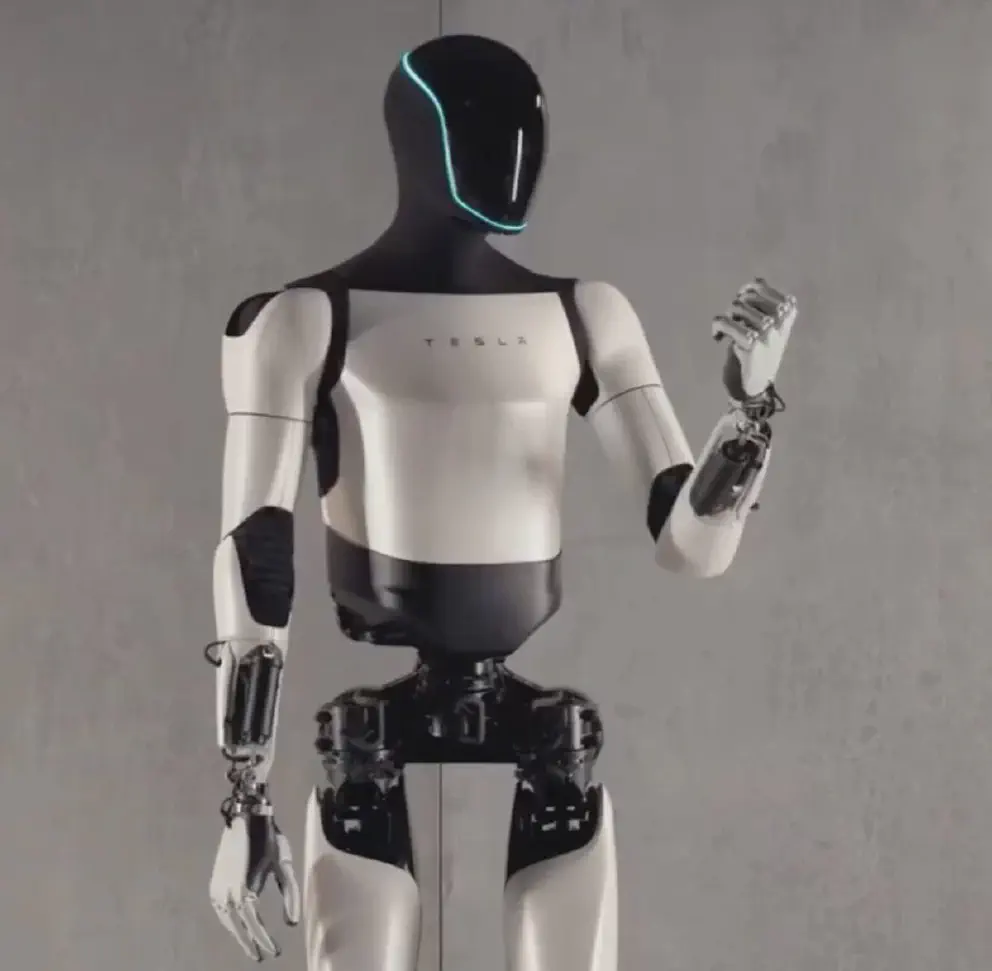
Since its founding in 2003, Tesla has been a pioneer in the electric vehicle (EV) market. Today, EVs account for approximately 7-8 percent of vehicle sales in the U.S., with Tesla remaining the dominant player in this space—for now. Elon Musk envisions Tesla as more than just a car manufacturer, pushing the company to explore ventures in energy generation, storage, and now, artificial intelligence and robotics.
In fact, Tesla offered Musk a chance to become the world’s first trillionaire by selling at least one million units of the Optimus robot within seven years. With such high stakes, one must ask: is the Optimus robot truly capable of delivering on its promises, or is it simply hype?
Optimus: The Humanoid Robot
Optimus is Tesla’s entry into the robotics arena, and its name likely pays homage to Optimus Prime, the iconic leader of the Autobots in the Transformers franchise. This robot is designed as a general-purpose humanoid that promises to perform a range of tasks, from washing dishes and serving drinks to doing laundry. At first glance, it sounds remarkable; however, the reality of humanoid robots is far more complex.
The Challenge of Humanoid Robots
Humanoid robots have long been the stuff of science fiction, with many attempts made to replicate what is arguably the most versatile creature on the planet: humans. Yet, the truth is that humans are inherently fragile and often not the fastest or most efficient option available. The reaction time of a human is considerably slower than that of a house cat.
One of the main reasons we haven’t seen widespread use of humanoid robots, despite the advancements in industrial robotics, is that specialized robots outperform humans in precision and speed. For instance, consider the difference between a production line, powered by industrial robots, and what Optimus aims to accomplish. Industrial robots are built for specific tasks and excel at them, while the idea of a general-purpose robot remains largely theoretical.
Purpose-Built vs. General-Purpose Robotics
Take a look at purpose-built robots that operate in warehouses and factories. These machines are designed to excel at single tasks, such as carrying pallets or assembling components. While they may not be able to perform a wide variety of functions, there’s a saying: “Jack of all trades, master of none.” This perfectly encapsulates the challenge that Optimus faces. Its ambition to be a multi-functional robot may come at the cost of efficiency in any single task.
Optimus would do things slowly. And if doing in factory settings, why don’t just put wheels on the robot?A purpose built robot like this warehouse pallet robot can easily carry a bulky 1000kg load faster and easier than any humanoid robot canTesla Isn’t the First - or Last
Tesla may want us to believe that it’s at the forefront of humanoid robotics, but the truth is that others have been in the industry for much longer. For example, Boston Dynamics has developed the Atlas robot, which demonstrates agility, speed, and even the ability to perform parkour. Yet, despite its impressive capabilities, it remains unavailable for sale, and rumors of its production are still unconfirmed.
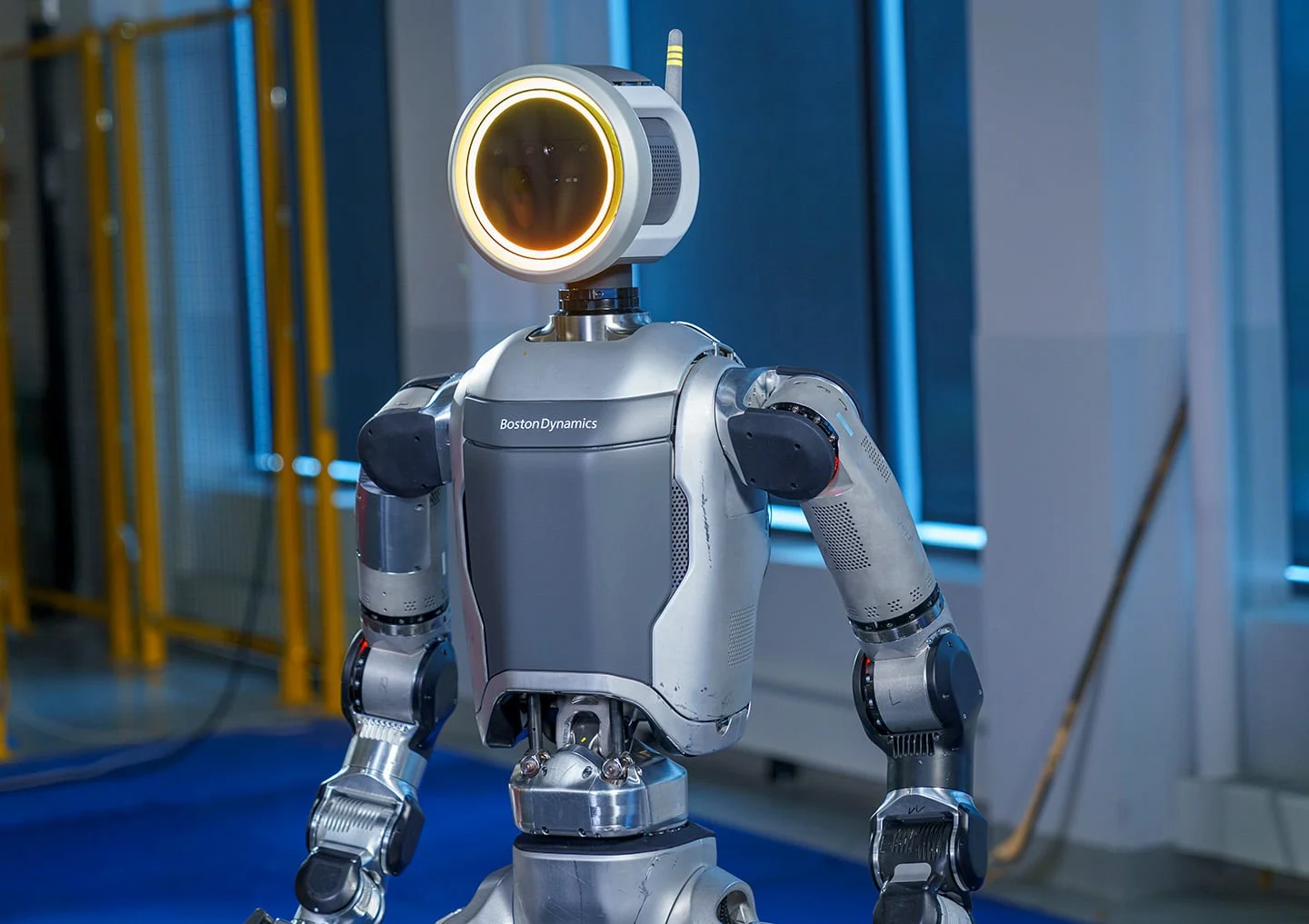
Similarly, Honda has been working on its humanoid robot, Asimo, since the early 2000s, yet it still hasn’t seen commercial success. These examples highlight that Tesla is neither the first nor the last company to venture into the humanoid robotics market.
The Problem with Optimus
Despite the rapid iterations and high-profile aspirations, the Optimus robot seems to be a solution searching for a problem. The most significant challenge facing humanoid robots is the availability of cheap, disposable human labor. Under our current economic model, capitalism ensures a steady supply of workers willing to perform jobs at minimum wage, which undermines the incentive to adopt humanoid robots on a large scale.
There’s a scene in Andor, a TV series based in the Star Wars universe where a group of people are locked up in a prison work camp. The supervision, which is an inmate himself said that the Galactic Empire uses them because they are cheaper than droids and easier to replace. The point is, even in the far future when we travel the galaxy, human labour is still desireable because of our flexibility and cost.
Conclusion
While the Tesla Optimus reflects an ambitious vision of the future, its practicality remains in question. The technology is impressive, but the potential utility of such a robot seems limited when contrasted with the myriad of purpose-built robots already dominating the market. Until a clear application and economic incentive emerge, the Optimus may end up being more hype than utility, much like other ambitious projects that have come before it.
As we continue to watch this development unfold, one thing is clear: the road from vision to reality is often filled with challenges that no amount of hype can overcome.
Plug
Support this free website by visiting my Amazon affiliate links. Any purchase you make will give me a cut without any extra cost to you
| Base | Pro | |
|---|---|---|
| iPhones | iPhone 16 / iPhone 16 Plus - (Amazon) | iPhone 17 Pro / iPhone 17 Pro Max - (Amazon) |
| iPhone Accessories | Find them at Amazon | |
| Watch | Apple Watch SE (Amazon) / Apple Watch Series 11 | Apple Watch Ultra 3 (Amazon) |
| AirPods | AirPods 4 (Amazon) | AirPods Pro 3 (Amazon) / AirPods Max (Amazon) |
| iPad | iPad 10 (Amazon) / iPad Mini (Amazon) | iPad Air M3 (Amazon) / iPad Pro M5 (Amazon) |
| Laptops | MacBook Air M3 (Amazon) | MacBook Pro M5 (Amazon) / MacBook Pro M4 Pro/ M4 Max (Amazon) |
| Desktop | Mac Mini M4 / M4 Pro (Amazon) / iMac M4 (Amazon) | Mac Studio / Mac Pro |
| Displays | Studio Display (Amazon) | Pro Display XDR (Amazon) |
Other Ecosystem Items