
In early 2026, titans of the tech industries, nicknamed “The Magnificent Seven,” have pledged hundreds of billions of dollars in 2026 to be spent on building datacenters and hyperscalers for AI models. OpenAI’s next round of funding is expected to raise $100 billion dollars on top of a $850 billion valuation, fueling the boom to build more datacenters. Apple’s capex for 2026? a measly $14 billion. Basically relatively unchanged from the previous years. Apple decided to leave the AI race behind. Is it a good move for Apple or a tactical mistake that will cost Apple’s leadership?
Apple Strategy in the AI world
To understand why tech titans are spending hundreds of billions on AI infrastructure, you have to see what they are planning to do with the money.
Google, having caught with their pants down in 2021 because of OpenAI’s ChatGPT, spent agreesively building the best LLM models to compete with OpenAI, which are backed by Microsoft amongst others. Google also provides the infrastructure to run your own LLM models.
Microsoft is one of the early and significant backers of OpenAI, and they now have their own model, Co-Pilot. Microsoft is also building cloud infrastructure to provide the necessary infrastructure for other companies to build their own LLMs.
Amazon is building AI systems for customer use. They claimed that demand outstrips supply, which necessitates the $200 billion capex spree in 2026.
Meta, who don’t want to be left behind, is spending upto $135 billions in 2026 to build their own model (Llama), which is incorporated in their products like WhatsApp, Facebook, and Instagram. This is after Meta spending $100 billion on VR as their bet on the future.
Apple? They decided they do not want to be in the AI race anymore. Instead, they have made a deal with Google to use Gemini to augment Siri, which has been criticized as inadequate. Apple also integrates Antropic’s Claude with XCode to help developers build apps faster. Instead of spending hundreds of billions on capex, Apple wants to empower users with on-device AI models.
The Why
Apple is not a company that makes a first move into a new market or technology unless it has compelling reasons to do so. They never built the first computer, nor the first music player, nor the first smartphone, nor the first Bluetooth headphones, nor the first tablet, nor the first VR headset, nor the first foldable phone. But once Apple is in the game, they are in the game in a big way.
But this does not mean that there weren’t any flops. Apple TV was Apple’s idea of a console replacement, but it never caught on. Vision Pro would be Apple’s next major product – it’s not a complete failure, but not a smashing success either. And Apple Intelligence, well, it’s a buzzword now, not the main feature.
Apple entered the AI game because it is no longer a fad like NFT or Block Chain. Generative AI has a future and Apple aims to capitalize it but not by being a player.
Tim Cook, the Apple CEO, is a logician. At this point in the AI game, it is too late to spend hundreds of billions of dollars on AI. Furthermore, AI has a big weakness - there’s no moat for your product. All those AI companies that raise hundreds of billions in funding: they are all making the same product, more or less.
OpenAI had the first-mover advantage by building the best LLM in 2021. However, other people are catching up, and there are serious competition from other players like Anthropic, Google, and even Microsoft, the company that backed OpenAI in the early days. Now, there are cheaper alternatives from China, and you can even have your own personal AI infrastructure at a fraction of the cost that these companies spend. Of course it is not as good as the A player, but you just need to be good enough.

By this logic, it’s better for Apple to treat AI, more specifically generative AI, as a comodity product instead of spending the resources to build one yourselves. Apple is not in the software business per se. They do great software, but in service to sell great hardware. They have a complete ecosystems which are iPhones, iPads, Macs, and other Apple devices. Having generative AI on them or not does not matter is not a high priority for Apple.
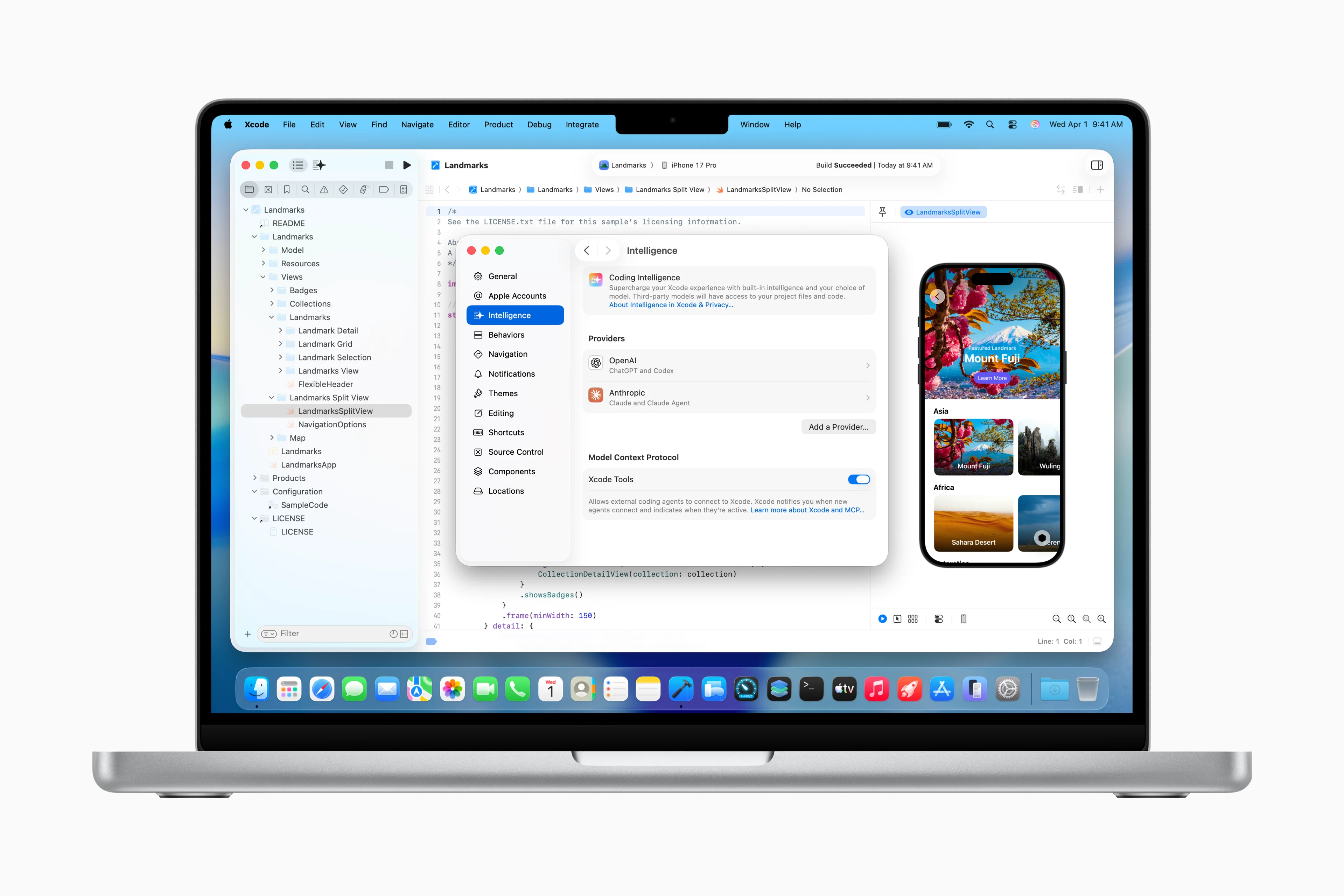
In fact, Apple is better off playing AI companies with each other than trying to compete with them. ClawBot OpenClaw has shown to drive Mac Mini sales as people try the hardest to automate their lives using Apple products. So, who is the real winner here? Apple or the AI companies?
Conclusion
Apple is sitting out of the AI race because the writing is on the wall. Apple does not need to be the generative AI company, but the main platform where people use generative AI in their daily lives. Apple’s focus is on selling the ecosystem, and spending the equivalent of the GDP of major countries to create a product that others have is not helping in that goal. Just like the Internet, Apple is better suited to use the Internet than to create it by themselves.