
As the computing industry has gone mad with Artificial Intelligence (AI) or generative AI in particular, gobbling up resources like air, water, electricity, graphics chips, and now memory and network chips as if there is no tomorrow or fear of being left behind, the talk about AI being in a bubble grows louder and louder. Bubbles, or market mania, which is once called by itself, is bad. But, like how a coin has two sides, there are benefits from a bubble, especially an infrastructure bubble like AI.
Case Study: Rail Mania of the 1840s

Some bubbles do not make sense. The examples of these are the Dutch tulip mania in the 1630s, the stock market mania in the 1920s, where the crash led the United States to the Great Depression in the 1930s. An example of a good kind of bubble is the UK railway mania of the 1840s.
The railway mania was caused by how the general public discovered a brand new, smashing technology. In this case, it was the first intercity railway line between Liverpool and Manchester. Remember, this is the 1840s. It was Pax Britannica. The “Great” in Great Britain was living up to its name. People were excited about the new technology. It was the cusp of the second industrial revolution. Steam and steel were the innovations of the day, and the railway industry needed them. A lot of them. And people begin to imagine a future where you would just take a train everywhere in the UK, and later the world.
So, with the world getting excited about rails, the market becomes a railway maniac. At the peak of the mania, over 15,300 kilometers (9,500 miles) of railways were proposed in the UK alone. And the proponents of railways are self-promoting like it’s the best thing since sliced bread. However, the bubble popped when the market is overextended, and it couldn’t support itself. Many lines are unprofitable, and banks come in calling for money. One by one, the railway companies collapsed and were eaten alive by larger, more profitable companies.
By the end of the mania, one-third of the proposed lines didn’t get built. Large companies bought unprofitable lines for pennies on the dollar. It, however, resulted in a large expansion of the British railway system. More than half of all railway lines in the UK were built during the mania.
Case Study: Dot-Com Bubble of the 1990s
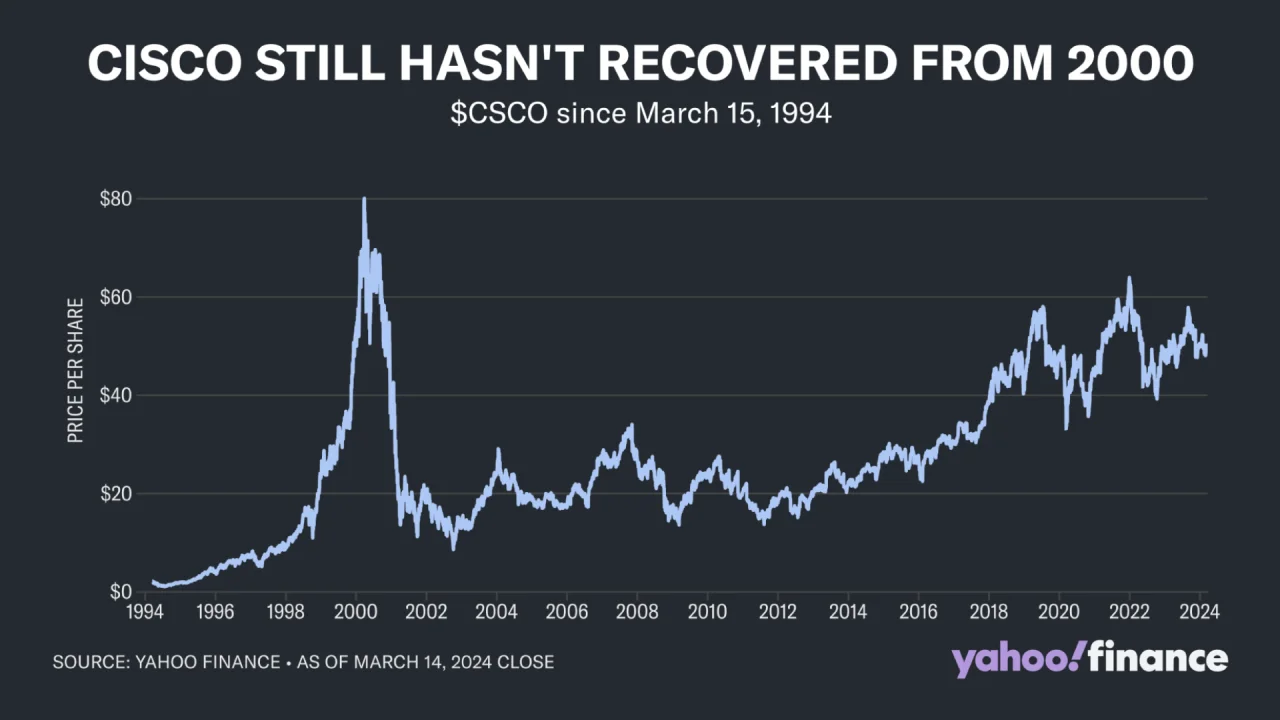
The most recent tech bubble came with the introduction of the internet. The internet effectively revolutionized communication. Now, information and connection are just at your fingertips. You can now communication with people across the world in the blink of an eye and it cost just pennies to do so. There’s also a new way of doing business; everything can be ordered online.
Then the mania comes: everybody who is anybody found out that they need to be on the internet. There’s money to be made, and it’s a vast real estate to be staked. New businesses were establish and easy money came for those internet companies expecting quick returns. People throw in money on companies that supplies infrastructure like Cisco, Sun, and others.
Then reality comes in. Most internet companies are poorly managed. They are not just losing money; they don’t have anything to show for it. The dot-com crash came in, and all the internet companies either folded or gets eaten alive by more powerful and profitable companies.
However, the outcome of the dot-com crash has proved that the internet worked. It motivates companies to lay internet cables everywhere in the world, providing the necessary infrastructure spending to connect the world. Today, the largest companies on earth are the big tech companies that benefited from the internet mania of the late 1990s. Most of them are born on the heels of value destructions, like the phoenix that rises from the ashes of its demise.
AI Boom and Bust?
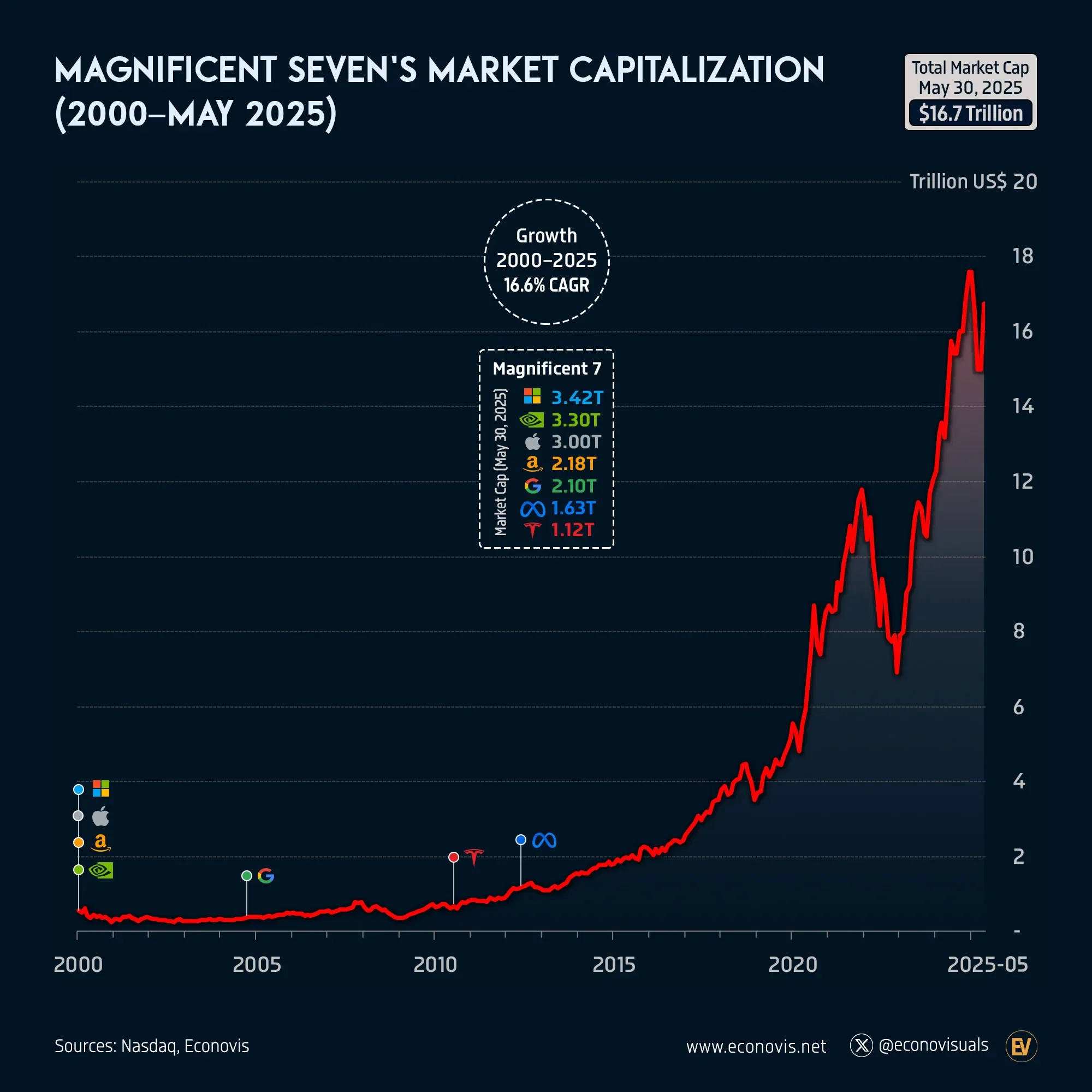
In the early 2020s, there was a new virus spreading out the world. And everyone was in lock down to prevent the virus from spreading until a cure or control measure can be formed. But also at that time, a new technology was introduced. No, it’s not NFT but a new class of intelligent chatbot. People went crazy when the computer started creating poems and pictures just from a prompt.
And now, a new mania has started. AI has been touted as the new revolution. A revolution as important as the steam engine, the invention of steel, and the internet. AI has been touted to replace all human tasks, from planning your holidays to running your companies, and also fixing your plumbing issues. A mania comes in. New AI companies are formed to compete and grab the money that is being presented. Trillion-dollar companies, which was extremly rare, can now fill out a football squad.
Right now, companies are building massive datacenters - hyperscalers to run those AI models. They need a lot of resources: power, water, specialized chips to run the models, and now storage and network equipment to talk to each other. Unlike previous mania, money seems to be an infinite resource. Companies are willing to invest a country’s worth of GDP for the “ultimate” model. Meta is going to spend $125 billion in 2026 - the GDP of Peutro Rico, and they have spent $72 billion in 2025. Google spent $75 billion in 2025 - more than the GDP of Turkmenistan - and recently announced to spend around $175 to $185 billion on AI datacenters - the entire GDP of Morocco. Microsoft spent $80 billion in 2025. There seems to be no end in sight for the AI arms race.
All together, it is estimated that around $7 trillion will be spent building datacenters by 2030. Yes, trillions will be spent on building computing. That is why some companies wanted everyone to rent, instead of owning a computer.
The morning after
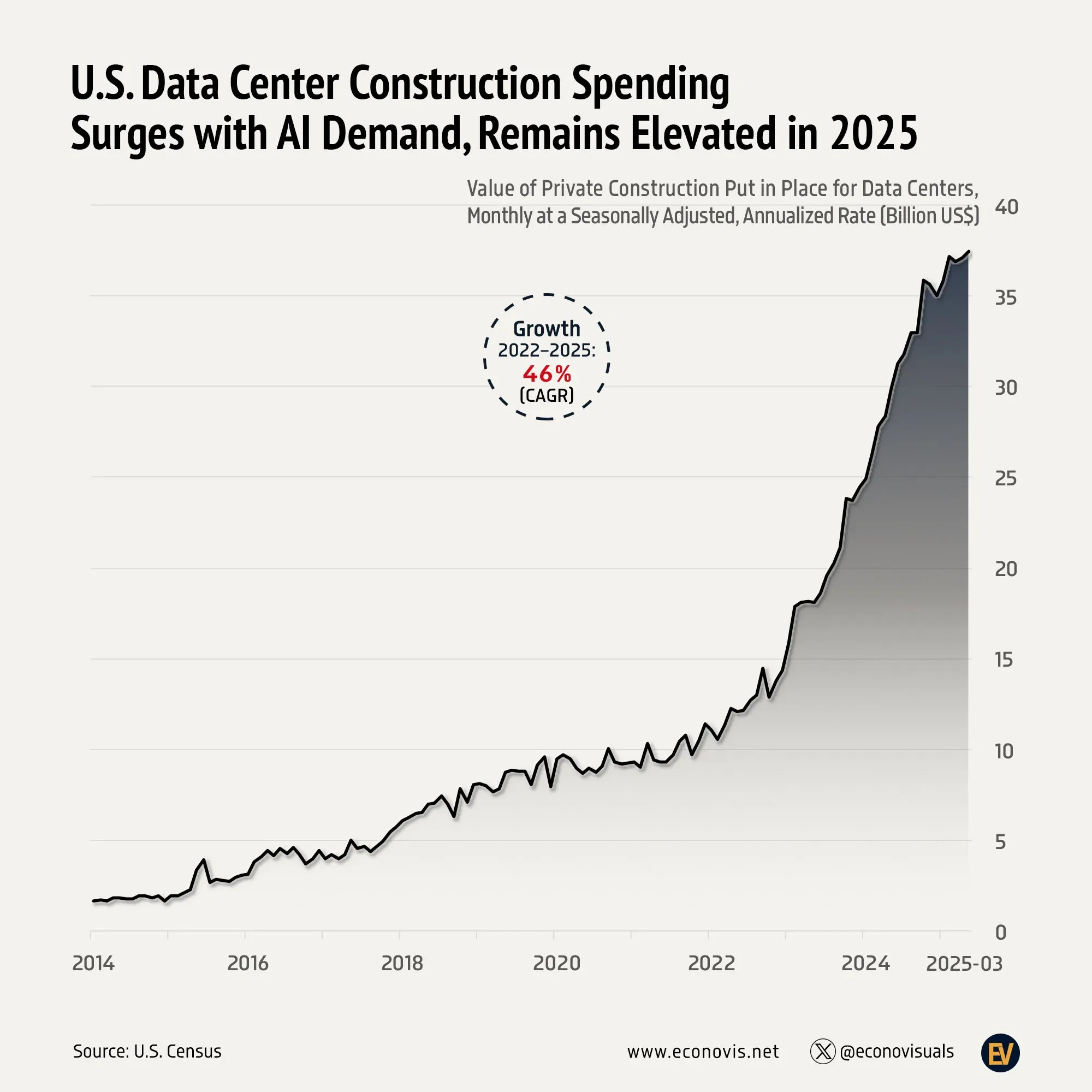
The AI boom does not seem to end because the money looks like going around in circles. But what the AI boom has to show us for now?
After the AI market crashed, we are going to have excess capacity. Currently, there’s new datacenters popping up everywhere doing AI things. When that computing power is not needed anymore, we are going to have to do something with that excess capacity.
Another benefit of the AI boom is the revival of the nuclear industry, especially in the United States. Microsoft is restarting the Three Mile Island to power their new datacenters. Facebook has also announced new nuclear energy projects. Google is putting money in SMR to power future datacenters. Those new nuclear infra requires specific expertise to build and run them. Nuclear power, once shunned, is now having a shining moment.
Conclusion
Right now, there’s a lot of money going around in circles in AI. The ones who are making a killing in AI are the AI shovel companies like Nvidia, SanDisk, and Corning (yes, they do more than dinner plates). Infra manias like the one we have before have some benefit after the crash. Although the growing pain to get there is something to behold.
Plug
Support this free website by visiting my Amazon affiliate links. Any purchase you make will give me a cut without any extra cost to you
| Base | Pro | |
|---|---|---|
| iPhones | iPhone 16 / iPhone 16 Plus - (Amazon) | iPhone 17 Pro / iPhone 17 Pro Max - (Amazon) |
| iPhone Accessories | Find them at Amazon | |
| Watch | Apple Watch SE (Amazon) / Apple Watch Series 11 | Apple Watch Ultra 3 (Amazon) |
| AirPods | AirPods 4 (Amazon) | AirPods Pro 3 (Amazon) / AirPods Max (Amazon) |
| iPad | iPad 10 (Amazon) / iPad Mini (Amazon) | iPad Air M3 (Amazon) / iPad Pro M5 (Amazon) |
| Laptops | MacBook Air M3 (Amazon) | MacBook Pro M5 (Amazon) / MacBook Pro M4 Pro/ M4 Max (Amazon) |
| Desktop | Mac Mini M4 / M4 Pro (Amazon) / iMac M4 (Amazon) | Mac Studio / Mac Pro |
| Displays | Studio Display (Amazon) | Pro Display XDR (Amazon) |
Other Ecosystem Items