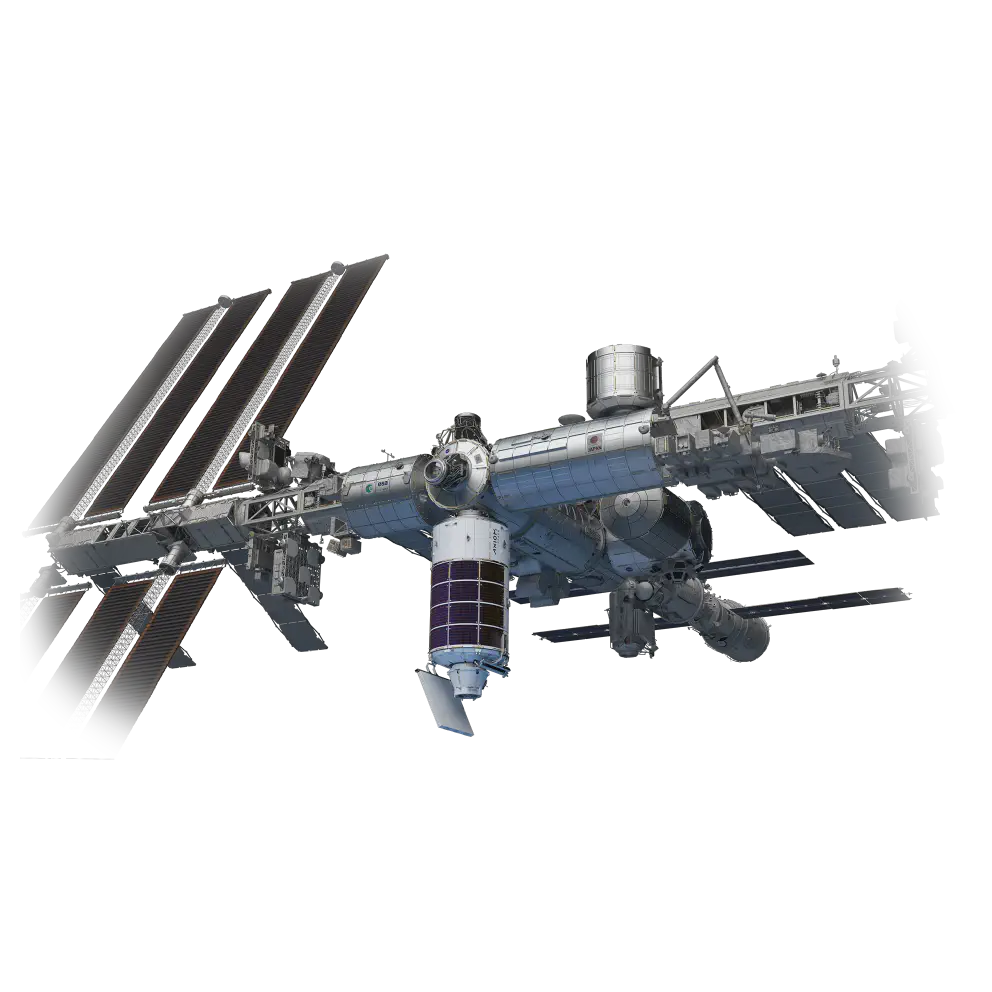
Space: the final frontier. Since the first recorded images of Earth from outer space, humans have been trying to reach for the stars. We eventually reached our zenith when humans first set foot on the moon in the 1960s and 1970s. Since then, we have only gone around low-Earth orbit. If the Earth was compress into a school room globe, the moon would be 30 feet away, and for the past 50 or so years, we only left earth to the equivalent of two US dimes. There’s a reason why we are not sending humans to deep space, and it has to do with the current world we live in.
Background History
Space, in common convention, is where the Earth’s atmosphere ends and the nothingness begins. The current convention is 100km from the surface of the Earth – the Karman Line. It is not a natural scientific boundary, but a shorthand to make it easy to define space.
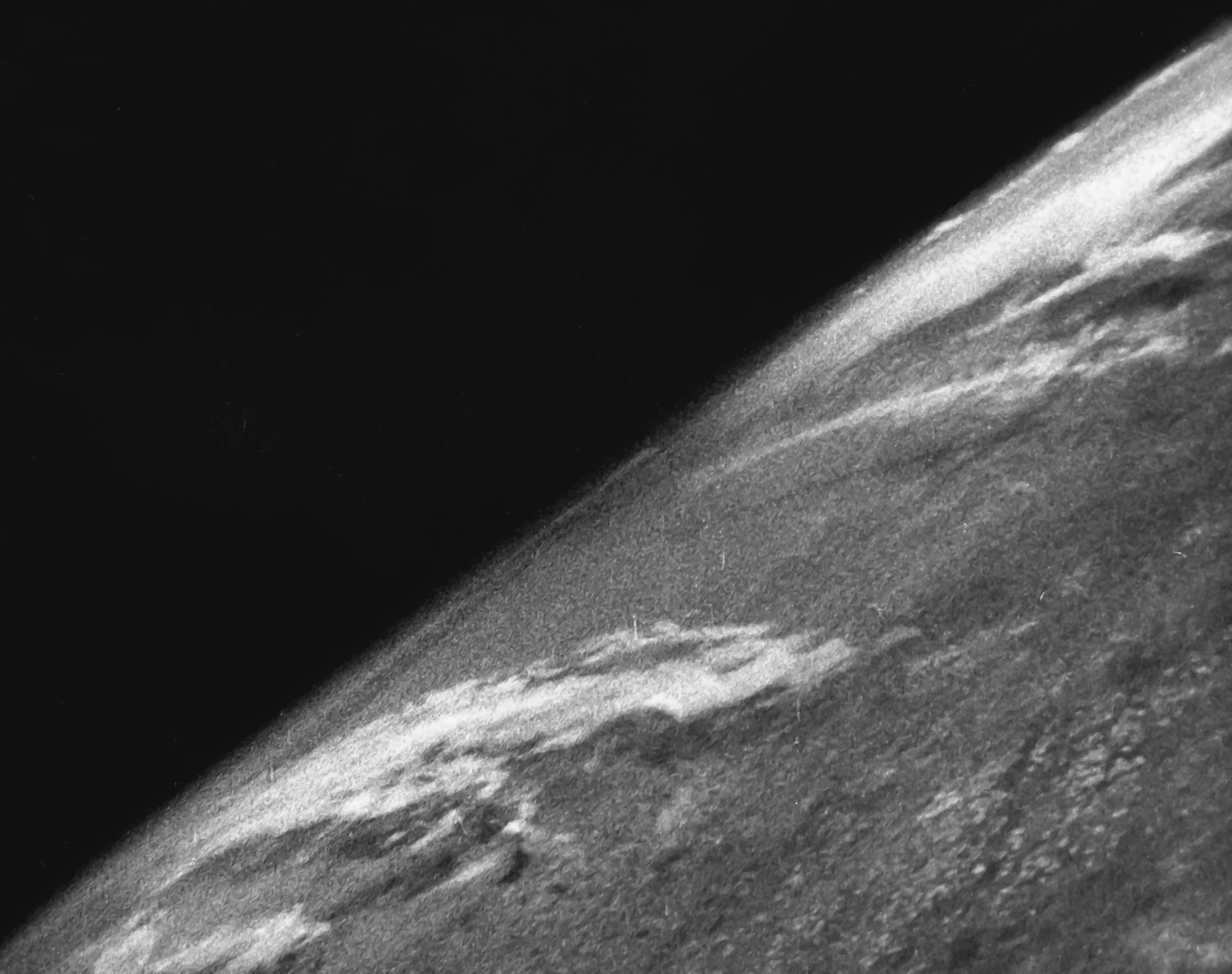
The first object to reach space was the V2 rocket. It was not done on purpose, as the idea was to hit London from Berlin in a single bound. The first object to reach orbit was Sputnik 1, a basketball-sized artificial satellite that was launched on a redesigned ICBM. This put America on alert as it couldn’t count their distance and oceans to be a safe harbour. If the Soviets can put a satellite into orbit, they can definitely put a city-busting nuclear bomb on a rocket, and it’s game over for America. As the Soviets put animals, and later humans to space, the race is on.
Ultimately, the moon landing is not the next step for humanity to reach out for the stars, but a race to be there first. As the Americans found out they can do it routinely, albeit very expensively, they lost interest (and funding) to reach out further from their home, and we come to where we are now. Just sending humans in low-earth orbits.
The Business Case for Human Space Exploration
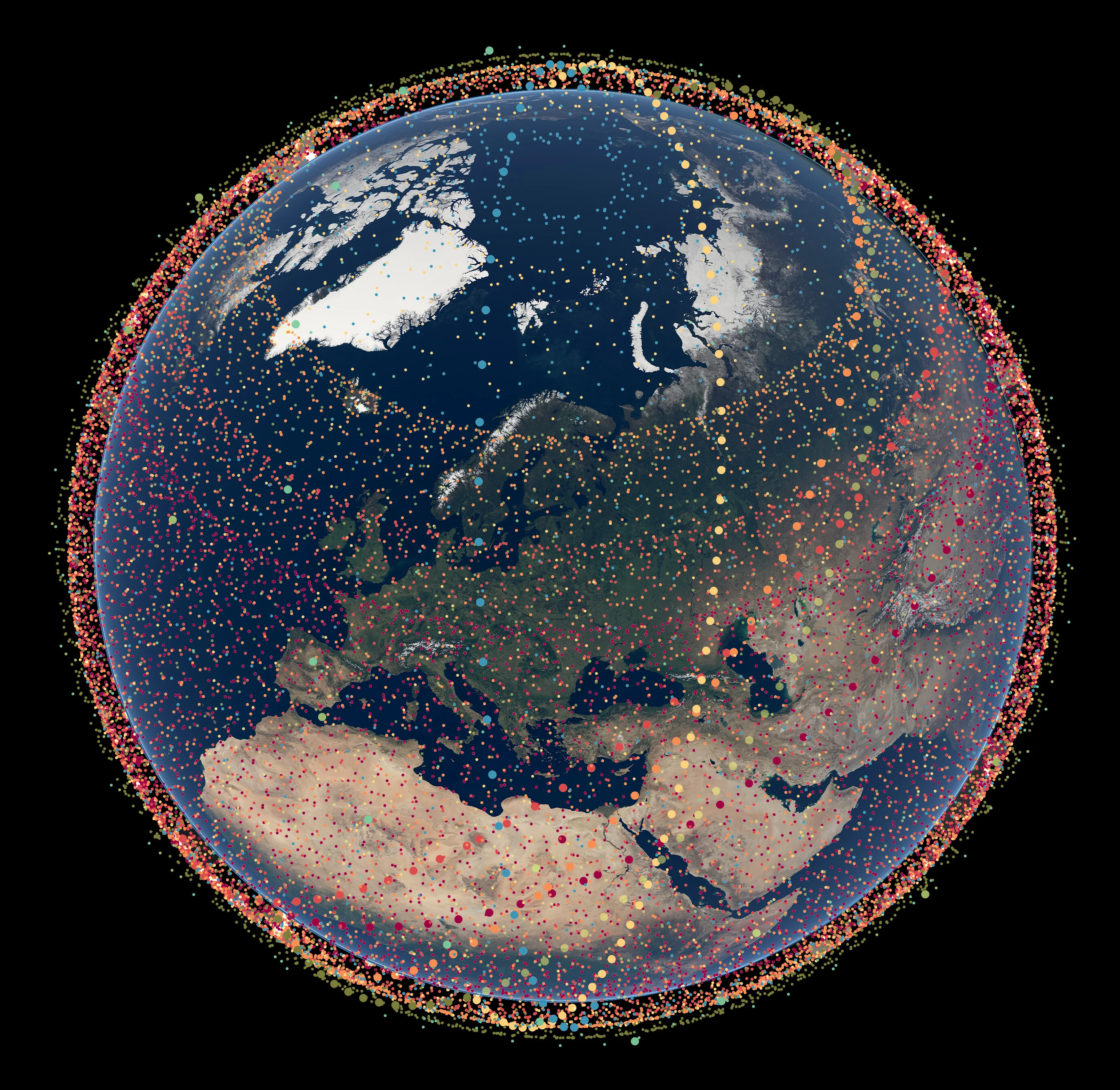
First, let us be clear: there is money to be made in space. The space economy isn’t a new invention of the 21st century. Governments and private companies have been exploiting space for national and commercial purposes since the 1970s. Satelite TV, navigation and now satelite fast internet has made trillions, not billions of dollars for private companies.
The problem is that there is a low business case to send humans in space. Sending humans to space is a very dangerous endeavour. The human body is a very fragile, organic matter that is not very durable. In space, the temperature goes varies 121 ℃ to -157 ℃, there’s no gravity to set things down, and the radition from the sun and other cosmic surfaces will fry the electronics if not outright kill you. So, heading to space is a high-risk adventure that will take a lot of money for humans to be there.
In contrast, machines have higher temperature and radiation durability; there’s not much of a business case for humans to be there.
Why Put Humans in Space
Soi why do some nations spend multi-billion dollars a year putting humans to space despite very little benefit? And the results show how little we actually got. After the moon landings, we’re barely left the Earth’s gravity well, and we haven’t done it in over 50 years. And now, we’re going back to the moon. Why?
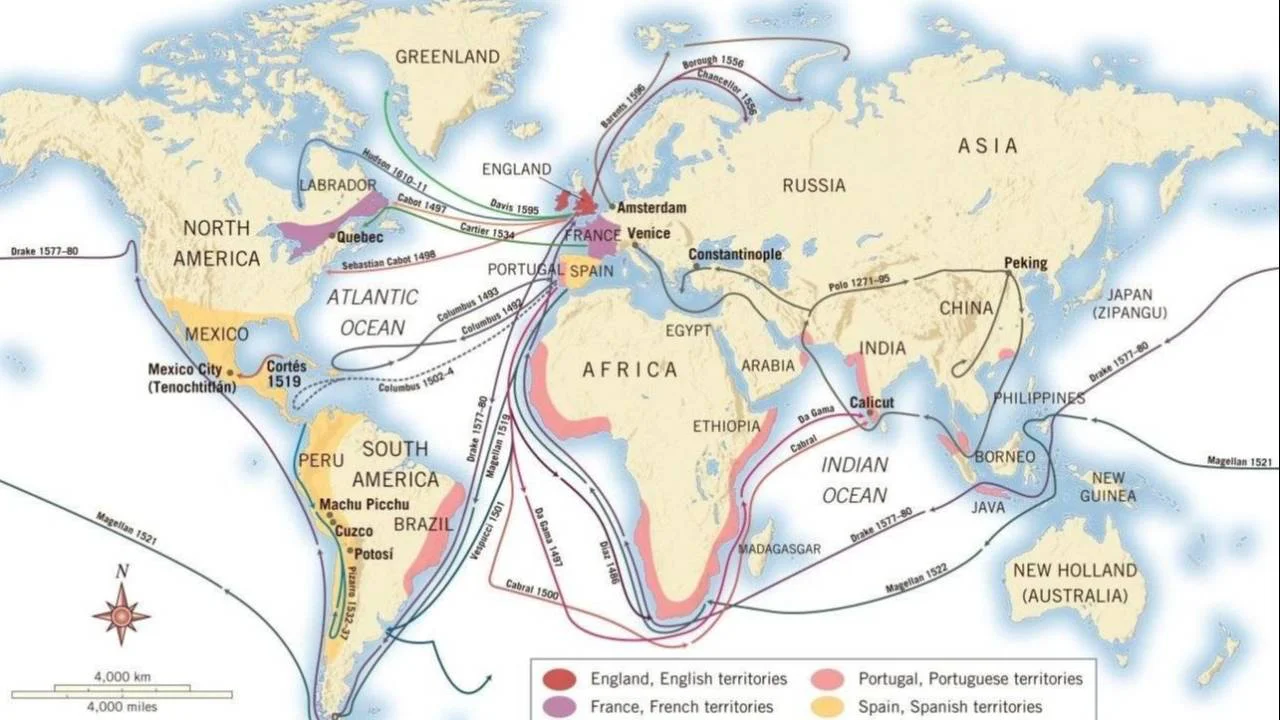
If you read human history, the major events, especially in western civilization is because of the 3Gs: Gold, Glory, and Gospel. From the Roman Empire, the Renaissance, the Age of Exploration, Empire building, and eventually the modern wars, most human empires are moved by ambition to acquire the 3Gs. Back then, major powers in Europe competed with each other to gain the upper hand. This end up with the United Kingdom administrating the largest empire in human history. It was so large that the sun never set in the British Empire.
The Space Race to the Moon was the result of the Soviets getting a leg up in the early days of the Space Race. The United States, a dominant empire at that time, felt left behind, especially by the godless communists. To compensate, the United States redefined the goals so high that everyone has to start over: putting human boots on the moon.
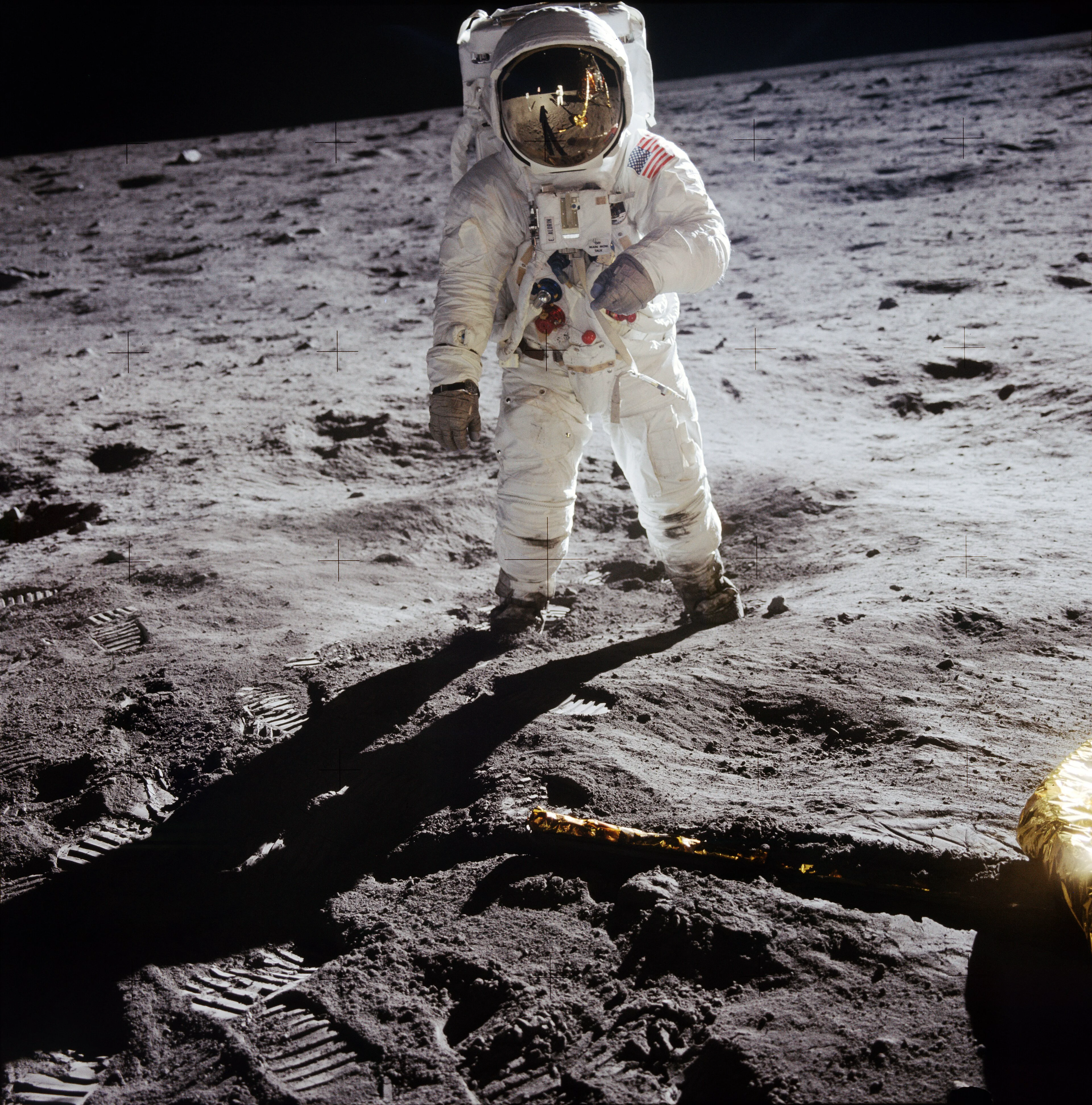
Today, putting humans in space does have its advantages, like there are no better intelligent machines to do experiments than humans themselves. However, never forget the true purpose of putting humans in space: prestige.
When the United States abandoned their Space Shuttle program in 2011, they have to rely on their old enemies, the Russian federation for a ride to space. Imagine the humilation of being the most advanced country with the largest economy in the world, and you have no access to space. It was only until 2020 that the United States prestige in space is restored.
So, how does one make a business case for putting humans in space?
How To Make Human Space Exploration Profitable
A compelling business case for human space exploration can be seen by drawing parallels with the early days of aviation. Initially, flying was a dangerous, expensive, and exclusive endeavor, much like venturing into space today. However, technological advancements gradually transformed air travel into a routine, affordable, and safe mode of transportation for the masses. Similarly, as reusable rocket technology progresses and space infrastructure develops, travel to low-Earth orbit is likely to follow the same trajectory—becoming increasingly routine, cost-effective, and accessible to a broader portion of humanity.
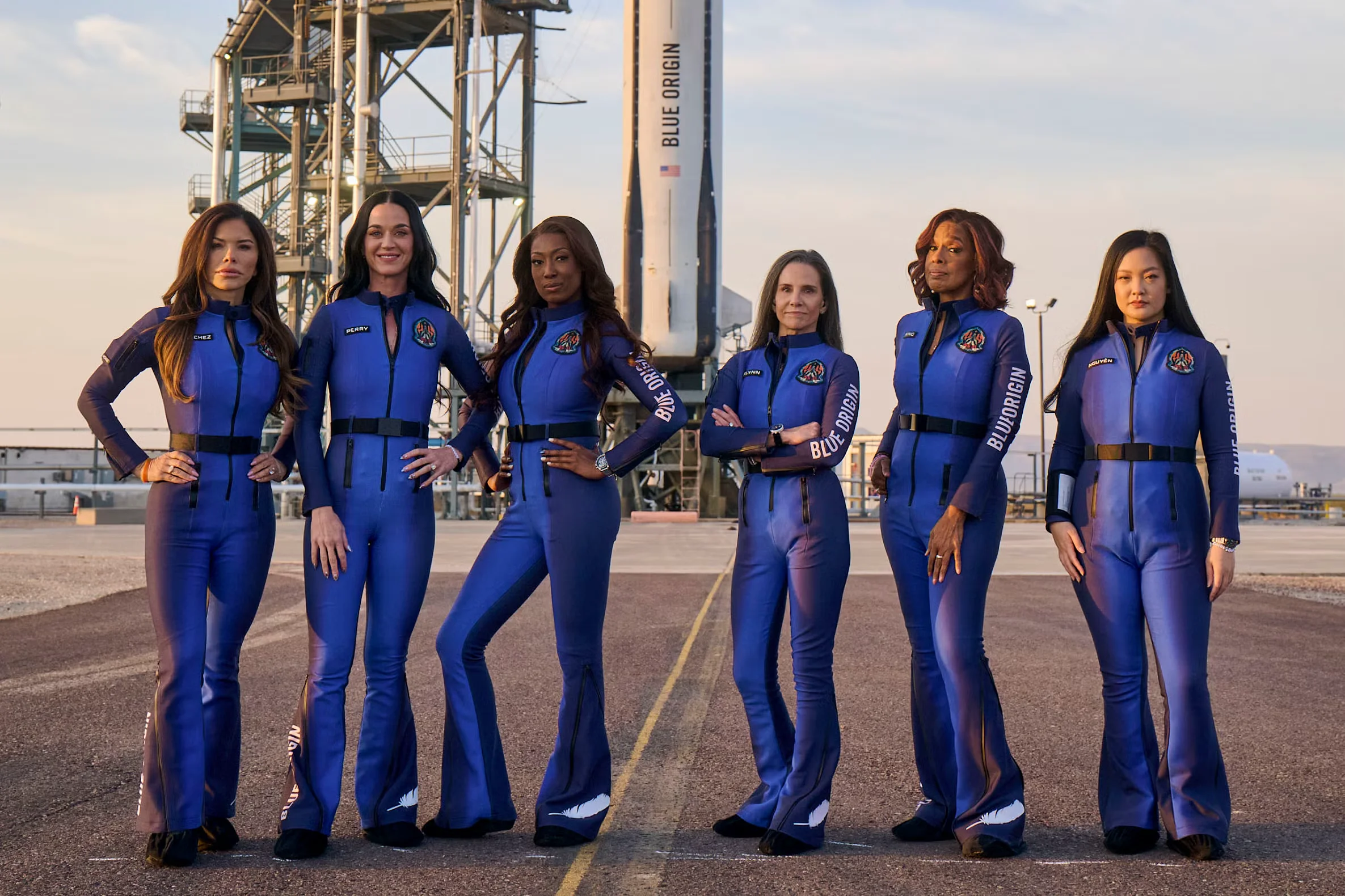
Lowering the cost of accessing space is fundamental to unlocking its business potential. Companies like SpaceX are at the forefront, pioneering reusable rockets that dramatically reduce the price of launch. As these innovations continue and safety improves, the commercial case for sending people into space will strengthen, attracting further investment and encouraging new entrants. Making space travel safer is equally important, as it builds trust among investors, tourists, and future settlers, creating a virtuous cycle of demand and improvement.
Space tourism stands out as the initial, most accessible market for human space exploration. While currently limited to the wealthiest individuals, the sector’s growth will depend on continually reducing costs and increasing the safety of flights. To scale up, ongoing missions must send people into space to study and address the physiological and operational challenges of human spaceflight. Beyond tourism, the prospect of asteroid mining offers a tantalizing long-term business case, as asteroids contain vast quantities of valuable minerals. Although high transportation costs and technical risks remain significant hurdles, future breakthroughs could make resource extraction from low-gravity environments a lucrative reality.
Conclusion
At present, human space exploration is still largely driven by the pursuit of glory and scientific knowledge, rather than immediate financial gain. While these efforts have expanded our understanding of the universe and elevated national prestige, the elusive ‘gold factor’—the ability to generate substantial commercial returns—remains out of reach for now.
However, the ‘gospel factor’—the drive to spread influence and demonstrate technological superiority—is intensifying the modern space race, particularly between the United States and China. This competition is accelerating innovation and investment in space technologies, with both nations eager to establish themselves as leaders on the final frontier. Notably, China appears to be playing the long game, methodically building its capabilities and infrastructure for sustained human presence in space. As the business case improves and commercial opportunities grow, the blend of glory, gospel, and eventually gold may well define the future of human space exploration.