Is Apple Winning the AI Race?

The AI Race: From Data Centers to Devices
The public AI race took off when OpenAI released ChatGPT 3.5, stunning the world with its conversational abilities. Soon after, research showed that simply increasing model parameters often improved performance, igniting an arms race for model scale and data center capacity. While companies like Google, Meta, and OpenAI poured billions into infrastructure and ever-larger models, Apple seemed to lag behind.
The Truth About the AI Moat
Here’s the secret: the much-discussed “AI moat”—a supposed insurmountable advantage built on proprietary data and models—doesn’t really exist. Frontier companies scraped data from across the web and tried to gatekeep their advancements. But open-source communities quickly reverse-engineered these models and released competitive open-weight versions to the public. “Good enough” models proliferated, slashing the cost of entry. Today, with a powerful enough server—or even a high-end Mac Studio—almost anyone can run state-of-the-art models.
Data Is Always King
Apple’s strength has always been privacy. While most tech giants chase more user data, Apple lets its products speak for themselves. In enterprise, information is the most valuable commodity—early insight is power, and companies fiercely guard their data. As a result, few are willing to send proprietary information to third-party AI APIs. In this landscape, Apple’s privacy-first approach and tight ecosystem become even more appealing.
Owning the Platform
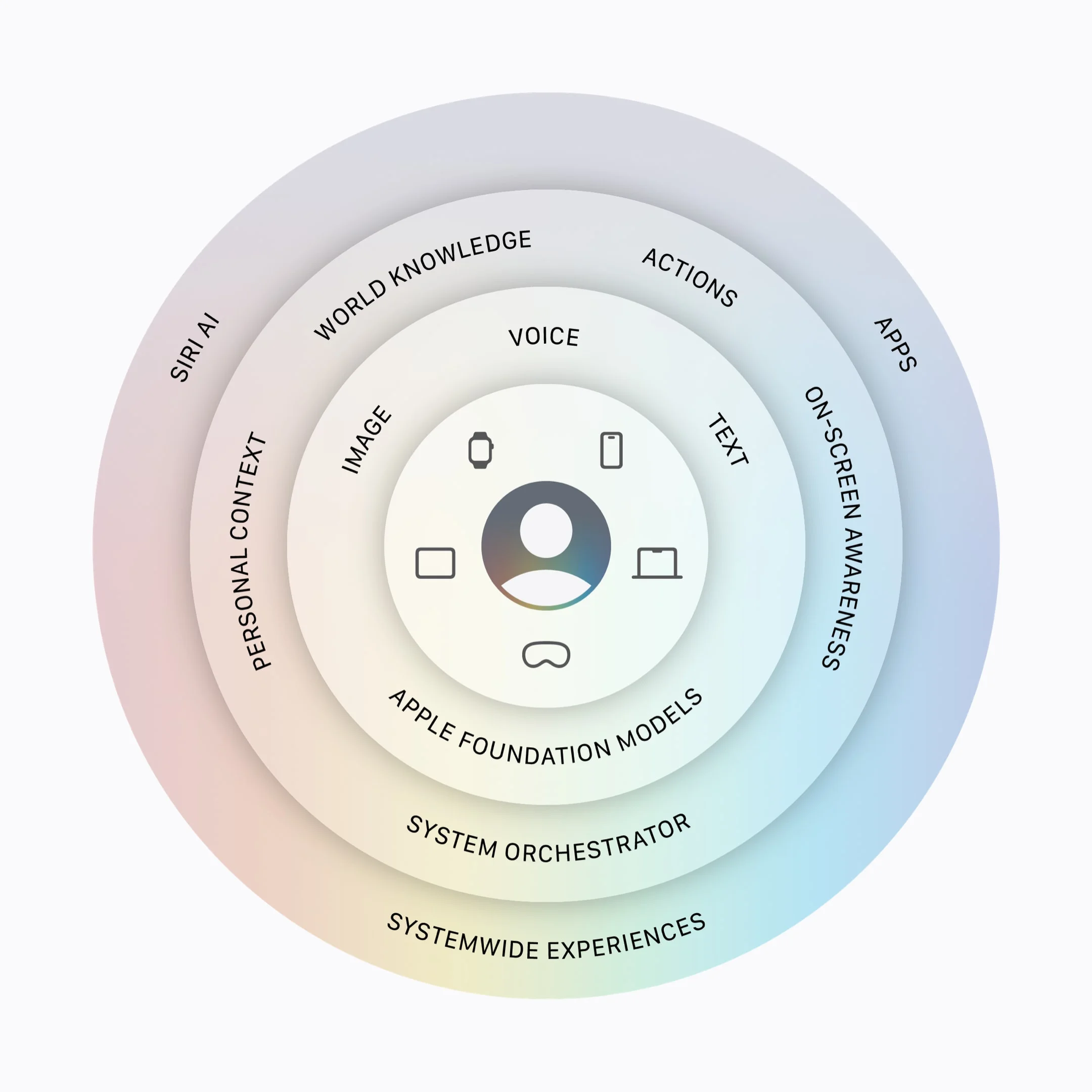
LLMs are here to stay, but how they’re delivered is up for debate. Apple’s unique advantage is its control of one of the world’s most valuable and profitable platforms—the Apple ecosystem. The real money lies in the “edges”: Macs, iPads, and especially iPhones. That’s why OpenAI briefly tried to build its own device, a project now seemingly abandoned. Apple doesn’t need to build the world’s best LLM; it just needs one that’s good enough for most users. When more is needed, Apple can allow third-party LLMs to plug in—anonymously, thanks to its privacy safeguards. In effect, Apple owns the racetrack, and LLM companies will compete (and pay) to be the default in its ecosystem.
In Cloud or On Device?
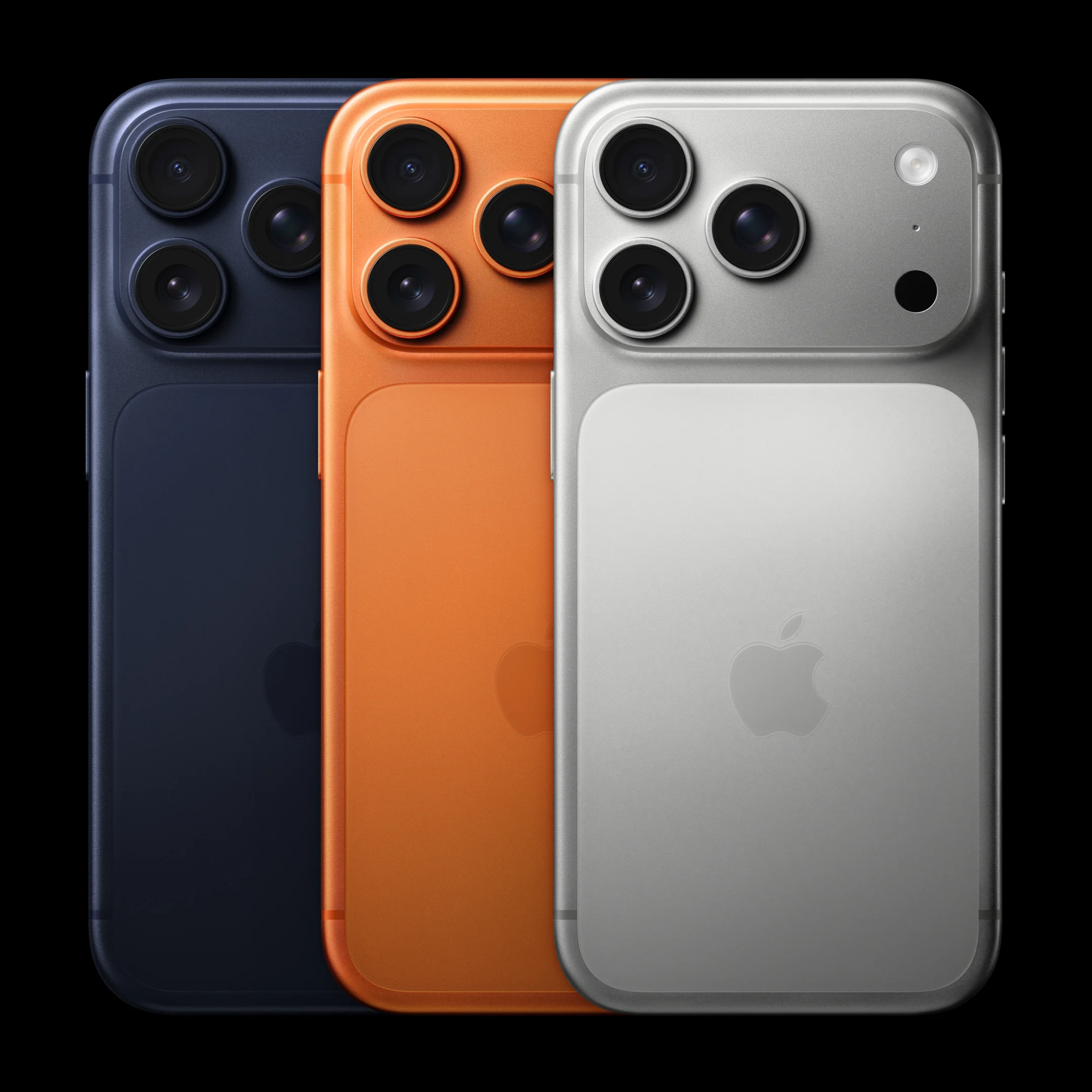
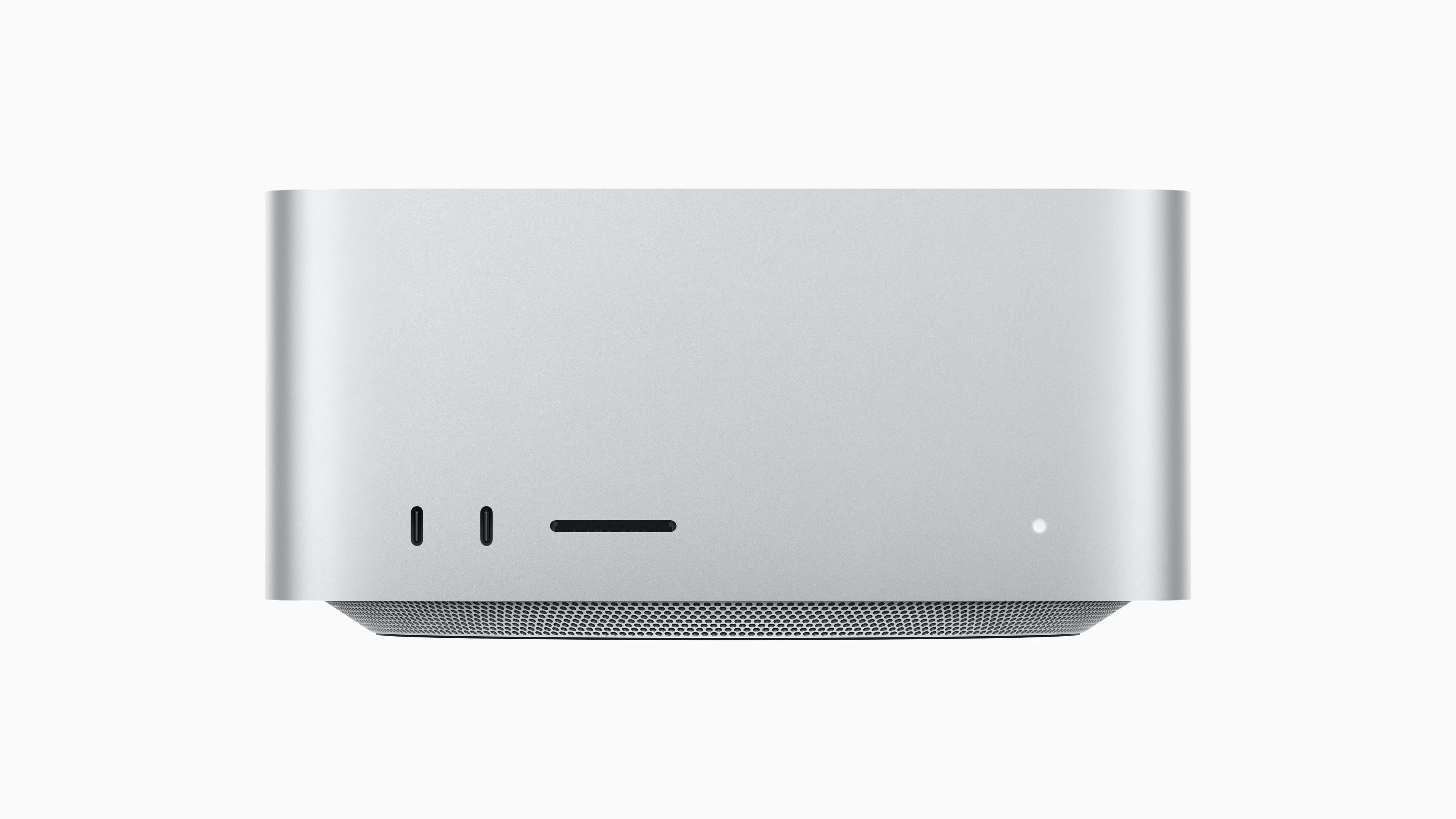
Since day one, Apple has invested in specialized neural engines across its hardware lineup. A Mac Studio with 512GB RAM can now run top open-weight models locally. The next-gen Mac Studio, rumored to have up to 1.5TB of RAM, will only extend this advantage, enabling faster, more capable on-device AI. This reduces the need for cloud subscriptions if local results are “good enough.” While there’s currently a hardware crunch due to the data center arms race, eventually, the mania will subside—and the value will return to user-owned, powerful devices.
Conclusion: The Ecosystem Advantage

Apple isn’t a cloud or LLM company. But it is the world’s premier ecosystem company. In the AI race, Apple’s power comes from owning the platform where everyone wants their AI to run—whether locally or in the cloud. That ownership, not data center scale or the flashiest model, may prove to be the ultimate winning strategy.
Plug
Support this free website by visiting my Amazon affiliate links. Any purchase you make will give me a cut without any extra cost to you
| Base | Pro | |
|---|---|---|
| iPhones | iPhone 16 / iPhone 16 Plus - (Amazon) | iPhone 17 Pro / iPhone 17 Pro Max - (Amazon) |
| iPhone Accessories | Find them at Amazon | |
| Watch | Apple Watch SE (Amazon) / Apple Watch Series 11 | Apple Watch Ultra 3 (Amazon) |
| AirPods | AirPods 4 (Amazon) | AirPods Pro 3 (Amazon) / AirPods Max (Amazon) |
| iPad | iPad 10 (Amazon) / iPad Mini (Amazon) | iPad Air M3 (Amazon) / iPad Pro M5 (Amazon) |
| Laptops | MacBook Air M3 (Amazon) | MacBook Pro M5 (Amazon) / MacBook Pro M4 Pro/ M4 Max (Amazon) |
| Desktop | Mac Mini M4 / M4 Pro (Amazon) / iMac M4 (Amazon) | Mac Studio / Mac Pro |
| Displays | Studio Display (Amazon) | Pro Display XDR (Amazon) |
Other Ecosystem Items
Love this? Consider buying me a coffee!