Apple has invited members of the press for an experience presentation in New York City, London, and Shanghai. Instead of a long, thoughtful, well-edited video, Apple decided to drip new products closer to the presentation date.
Amuse-Bouche: iPad Air and iPhone 17e
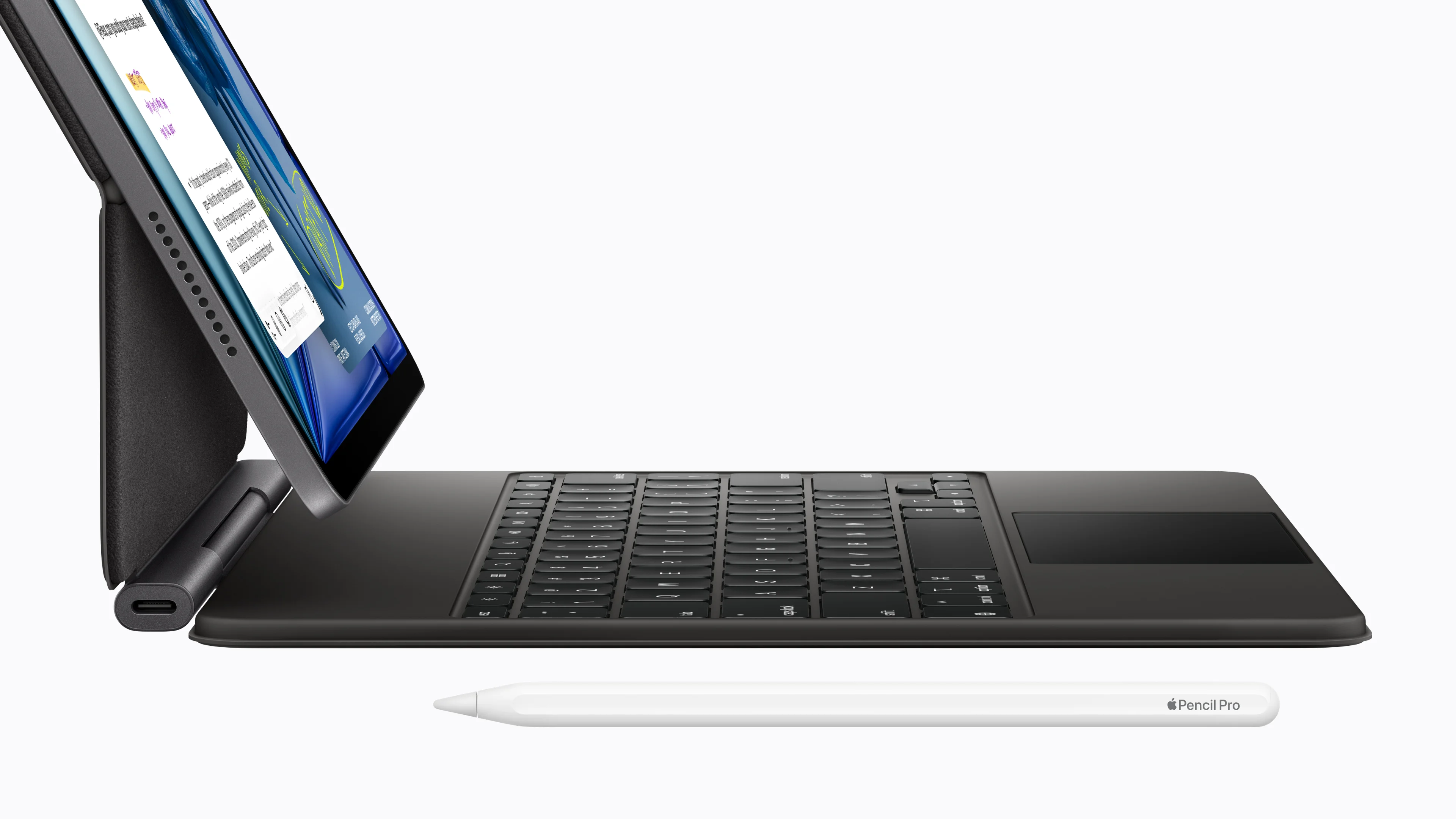
The drops started 2 days before the event. Apple updated the iPad Air to run on the M4. It is basically a spec bump with virtually nothing else changed. The Wi-Fi chip is faster, but that’s basically it.
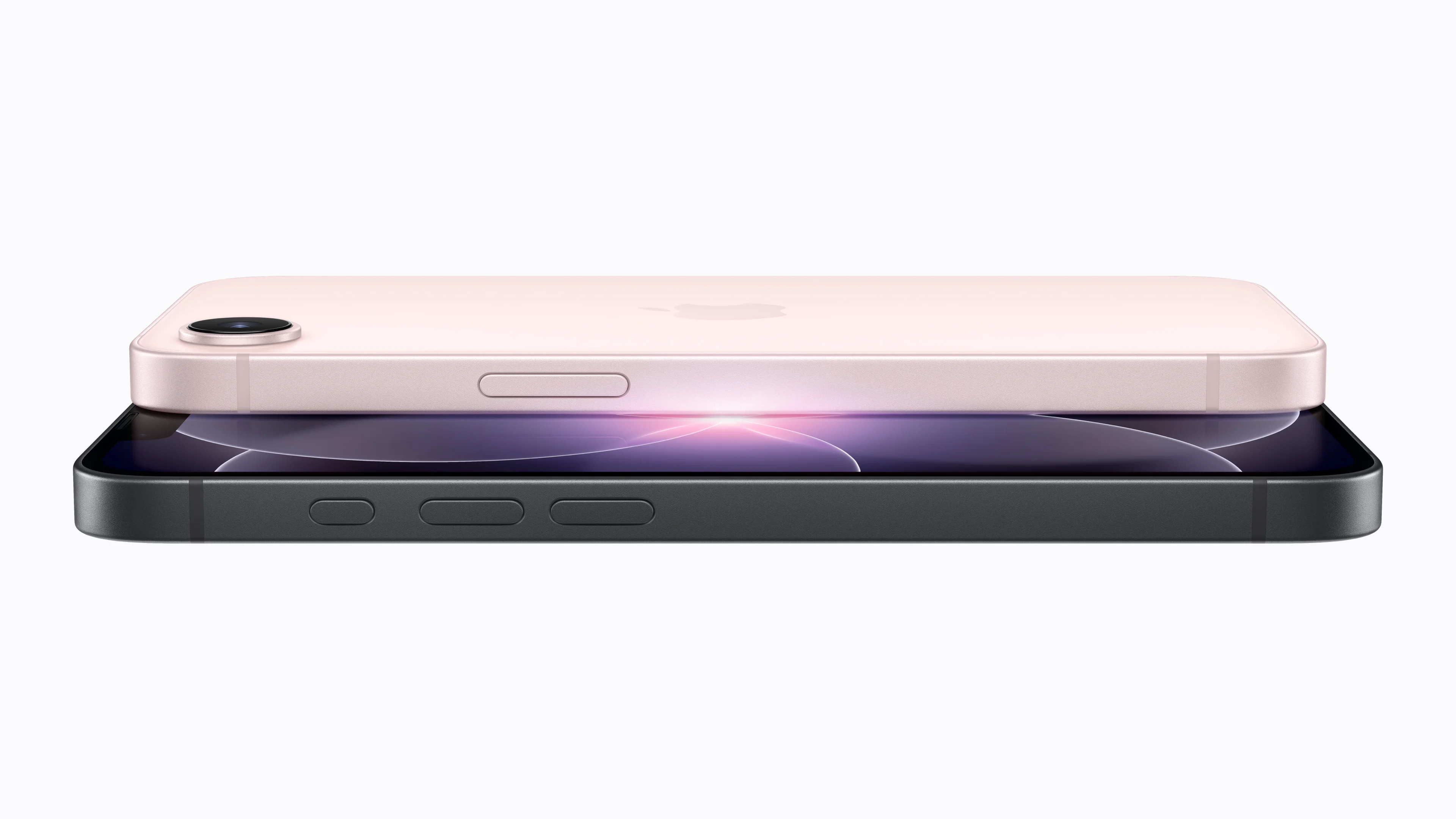
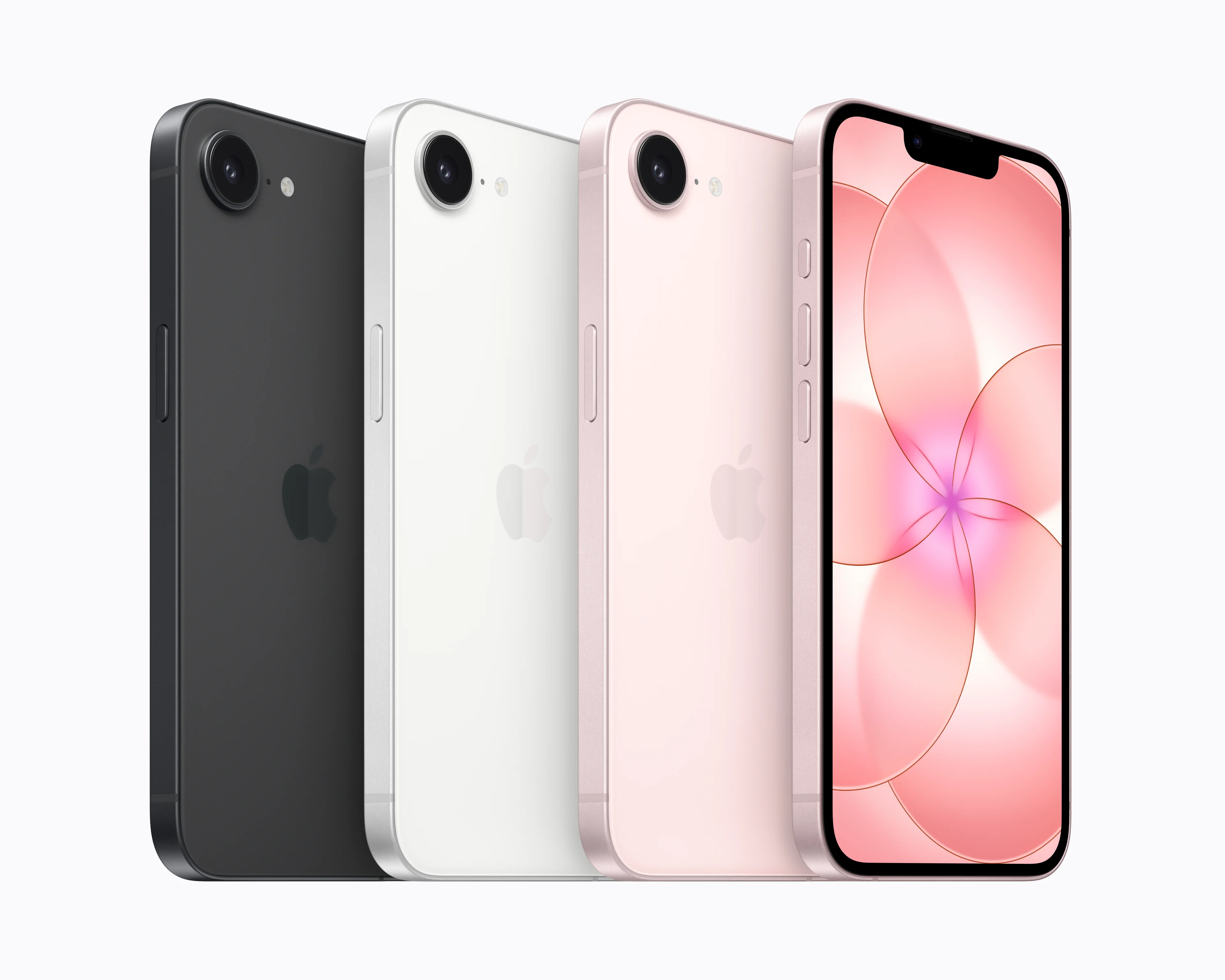
The bigger improvement is the iPhone 17e. The chip that runs the iPhone 17e is now A19 instead of A18. The front screen is now Ceramic Shield 2, which is 3 times more scratch resistant. And you now have MagSafe on the iPhone 17e, which is quite a handy feature. The price is the same at $599.
Main Course: Apple Silicon, MacBooks and Display updates
On the day before the event. Apple had a bigger drop than before. It’s like the main course. New MacBooks and displays. Here is the summary.
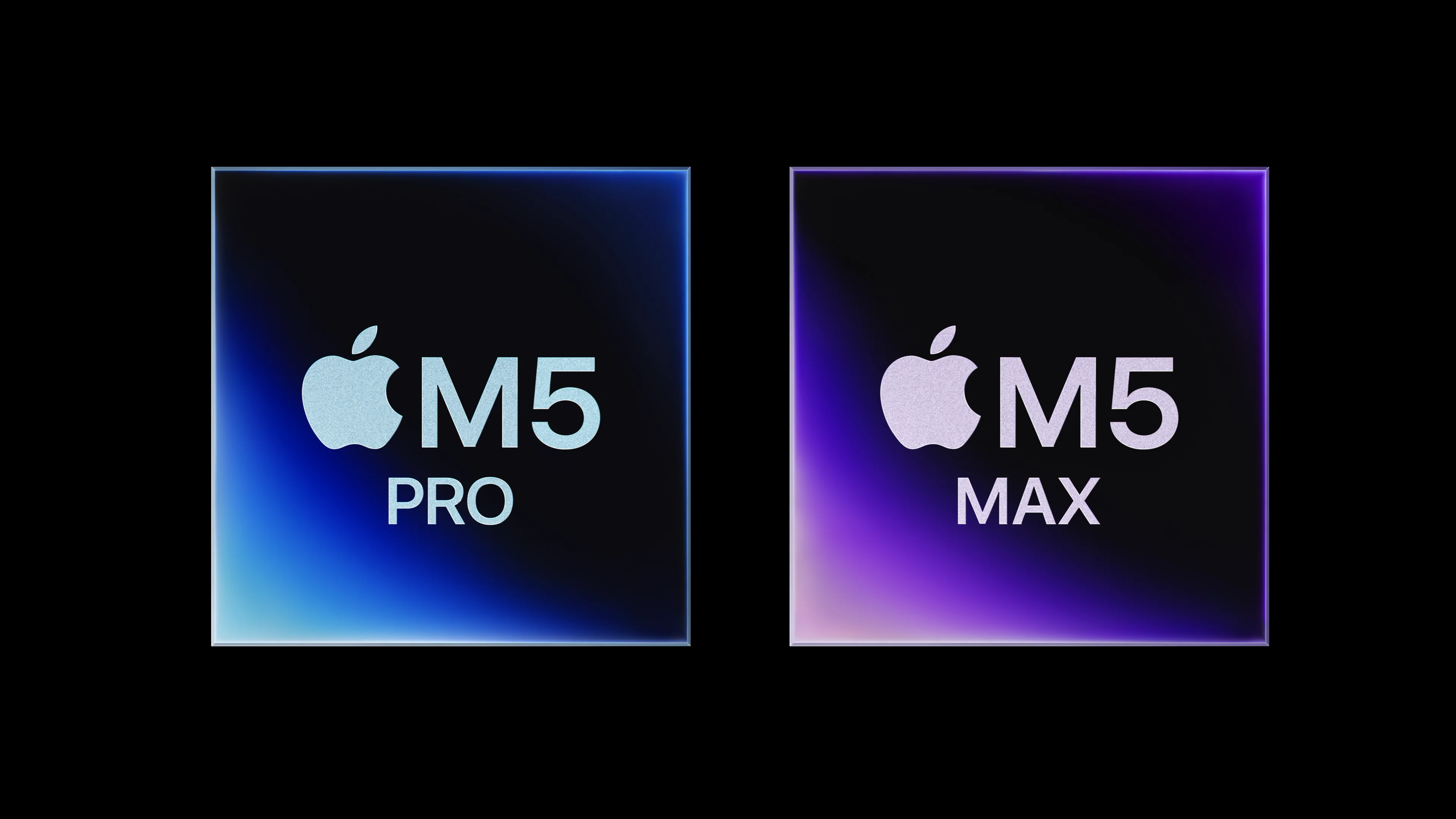
The biggest announcement is the expansion of the Apple Silicon family. Apple introduced the M5 Pro and the M5 Max. One of the major features of the new Pro and Max chip is the new Fusion Architecture. In this new architecture, the CPU and GPU dies are different dies stitched together at the chip level to create one big die. This is not a new innovation, as AMD has pioneered this chiplet design and Intel is also using it in their latest Core chips; however, it does point to a new way of doing things for Apple.
In this new generation, both the M5 Pro and M5 Max use the same CPU die, while the M5 Max essentially uses two GPU dies instead of one in the M5 Pro. Another major change is the introduction of super cores. Before this, we have the efficiency cores and performance cores, so the next level of performance would be super cores. Apple retcons the M5 chip by claiming it already has super cores (before this, Apple would call them performance cores). The M5 Pro and M5 Max only have super and performance cores, while the base M5 has super and efficiency cores.
The CPU dies have 15-cores or 18-cores options. It will either come in 5 super-cores and 10 performance cores or full blast 6 super-cores and 12 performance-cores. All M5 Max offers the 18-core options. On the graphics front, the M5 Pro has either 16-cores or 20-cores options. Meanwhile, the M5 Max has 32-cores or 40-cores options. This put speculation that the M5 Max essentially have two GPU dies sticthed together.
The major implication of this new cores and, more importantly, the Fusion Architecture is that it gives Apple more flexibility to design their chips to suit their needs. It also helps with the yields, as manufacturing flaws can be binned for lower spec chips. It will be exciting to see how Apple will make the M5 Ultra and maybe, just maybe, finally unveil the M5 Extreme.
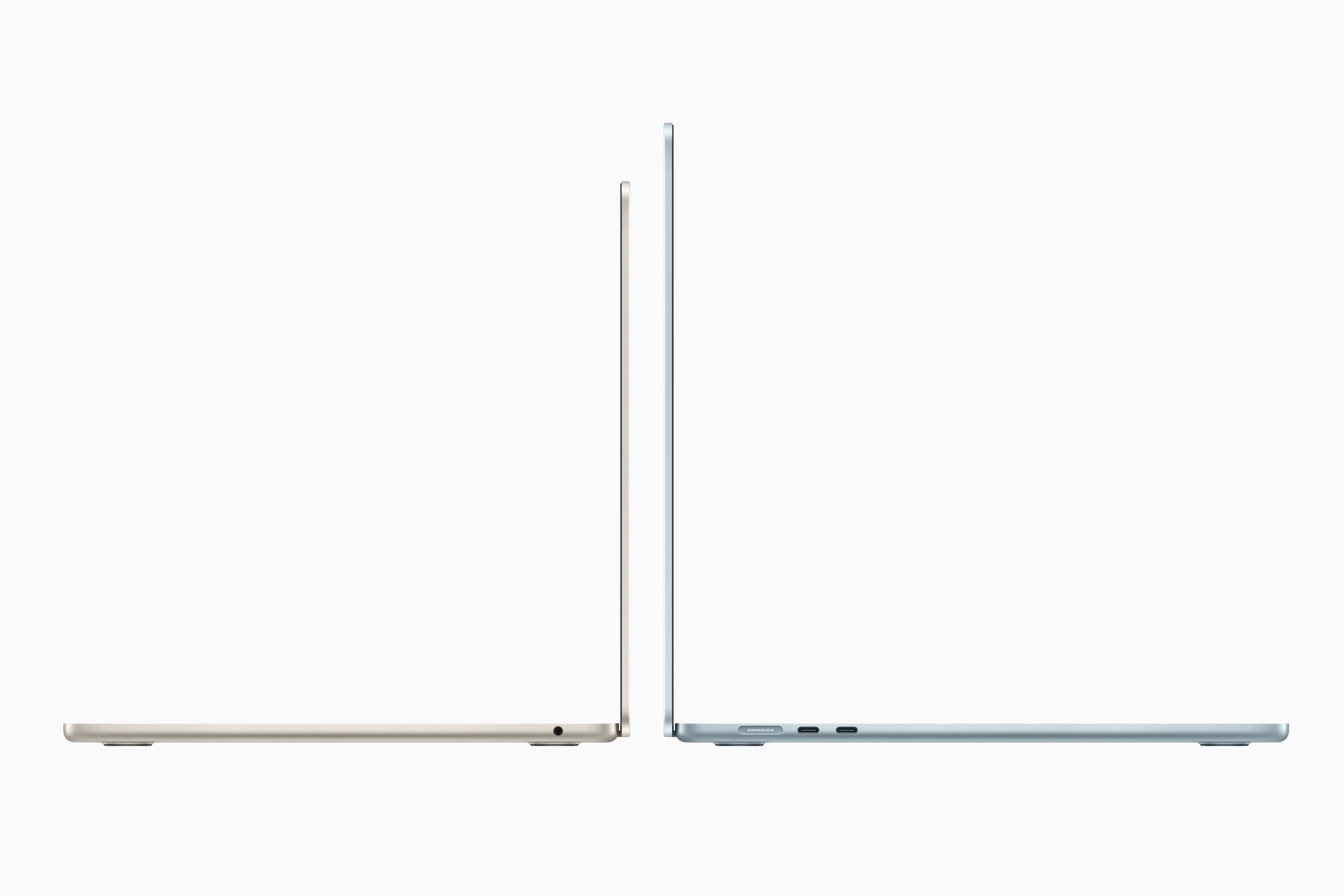
As with new chips, the MacBook lineup has been updated. The MacBook Air now comes with the M5 chip. Starting storage has been doubled to 512GB, but it’s more like a two steps forward, one step back situation. The starting price is now $1099 instead of $999, a bump of $100. Other than a slightly faster Wi-Fi and Bluetooth, nothing really changes.

The updated MacBook Pro has now dropped. It is one of the most versatile computers with chip options that go from M5, M5 Pro, and M5 Max. Just like the MacBook Air, starting storage on all lines has been updated. M5 and M5 Pro version start with 1TB of storage, while if you order the M5 Max, it comes with 2TB of storage standard. And just like the MacBook Air, there’s around a $100 to $200 price bump for the M5 and M5 Pro option. If you want the M5 Max, you’ll have to pay for it; Apple bumped the price by $400 for the M5 Max. It means you’ll have to fork out $3,599 to get the entry-level M5 Max MacBook Pro.
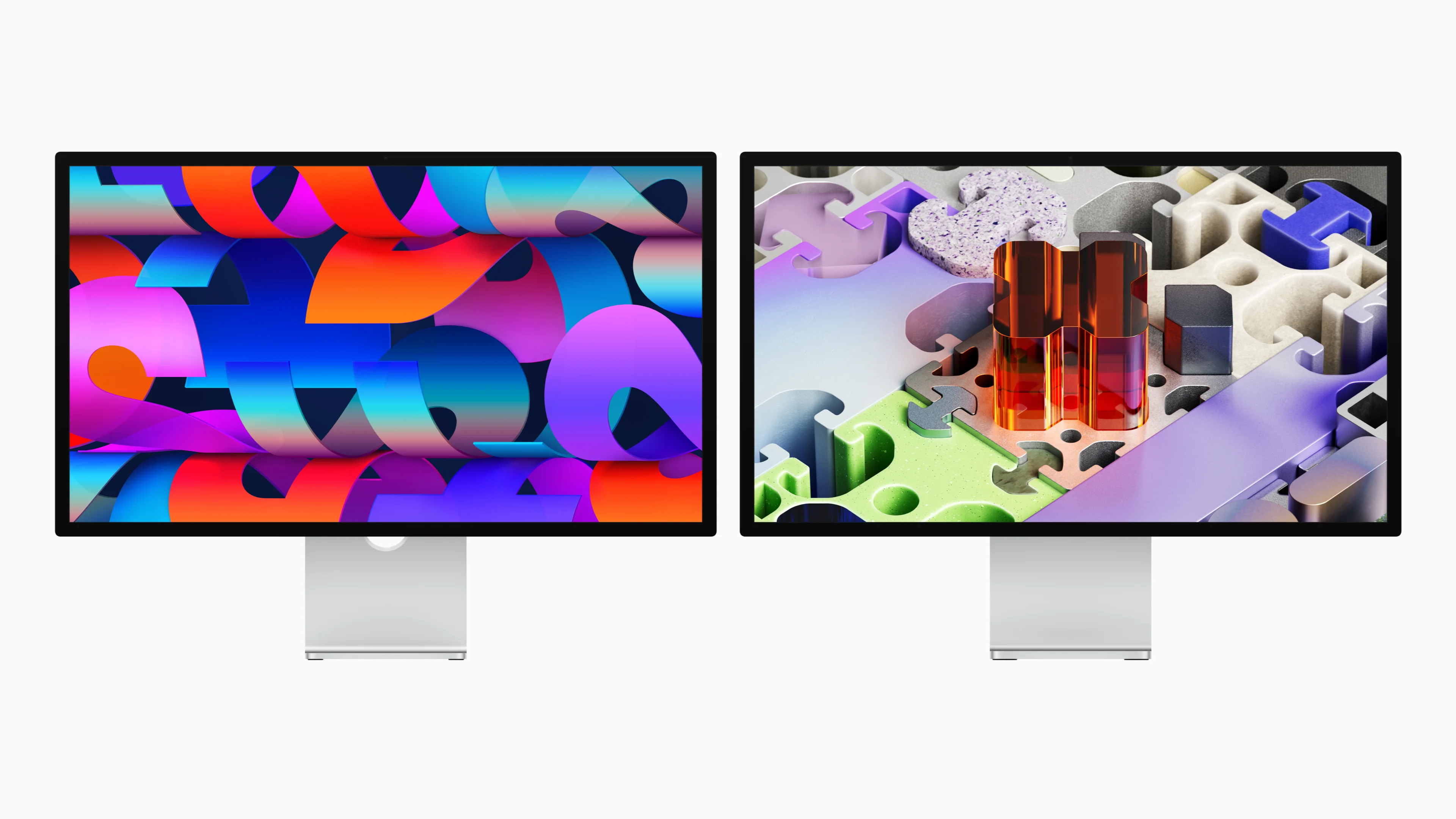
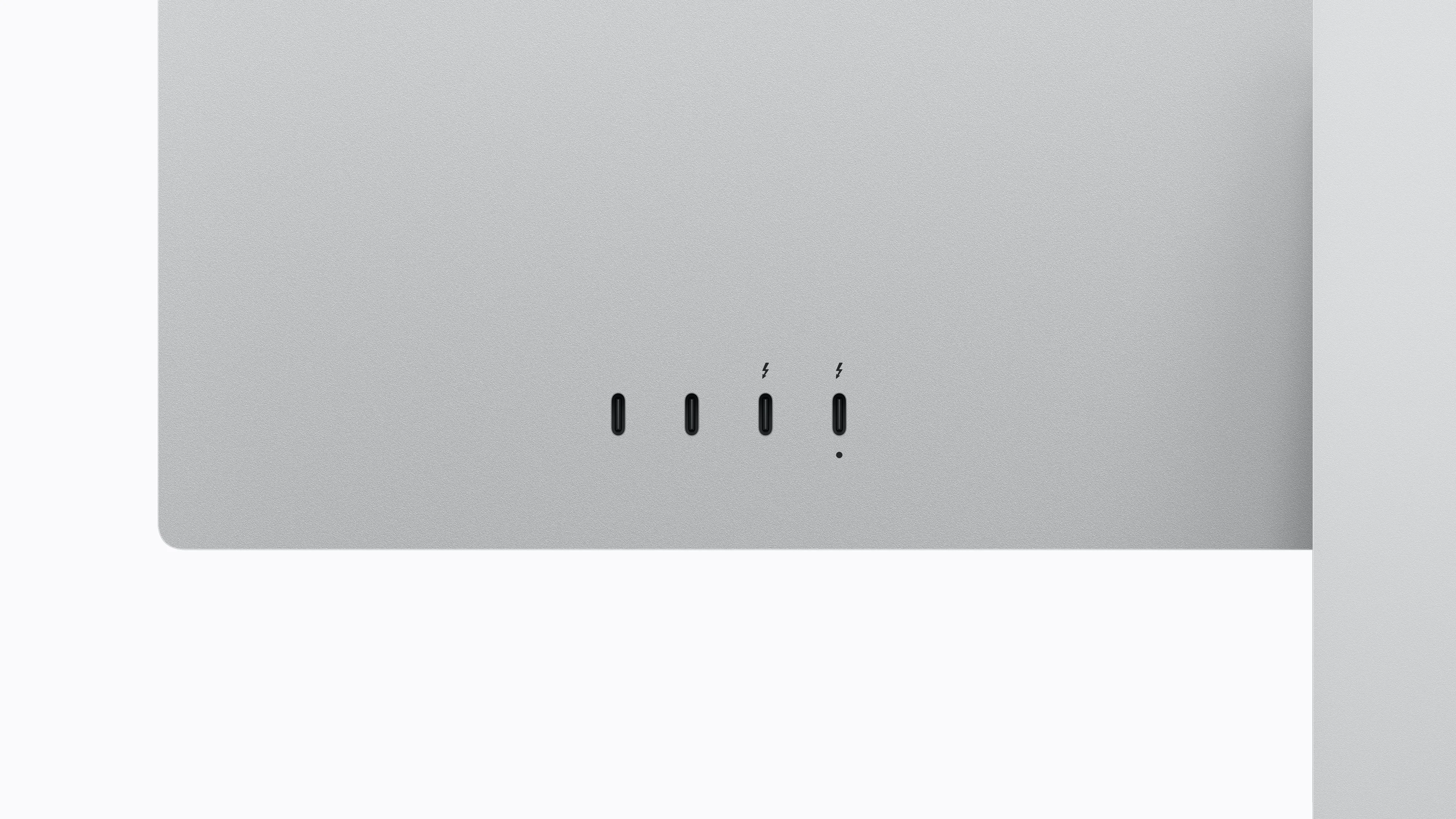
One standing item that has not been updated is the Apple external displays. That day has finally came although to be honest, we are quite confused. Apple has updated the Studio Display. Apple put an A19 Pro chip, the one that is running the iPhone 17 Pro, in to the display. Now there are two Thunderbolt 5 ports, so you can daisy-chain two Studio Displays and connect to a single port on your Mac. The camera has been updated to use the Center Stage camera, which supports Desk View. There are options to use a nicer stand and nano-texture glass, which greatly reduce glare, but those are extras.
Apple also introduced the all-new Studio Display XDR. Apple has said that this will replace the Pro Display XDR and will be the new flagship display from Apple. It’s the exact same 5K 27-inch display like in the Studio Display, but with some improvements. For starters, you’ll get the nicer tilt-and-shift stand as standard, although nano-texture glass remains a paid option. The backlit, instead of a single LED, is now micro-LED with thousands of dimming zones. The displays also support 120Hz ProMotion and support for adaptive refresh rate that suited for gaming. There’s also support for AdobeRGB and a medical device color scheme. The screen is also brighter, supports 1000 nits for SDR content and 2000 nits for HDR content. All these features are nice, but they are not cheap: Apple is asking $3,299 for the Studio Display XDR. But, if you compared to the Pro Display XDR, it’s a hella cheaper than before.
The Studio Display XDR has mini-LED backlight for better blacks.
Dessert: MacBook Neo - the game changer
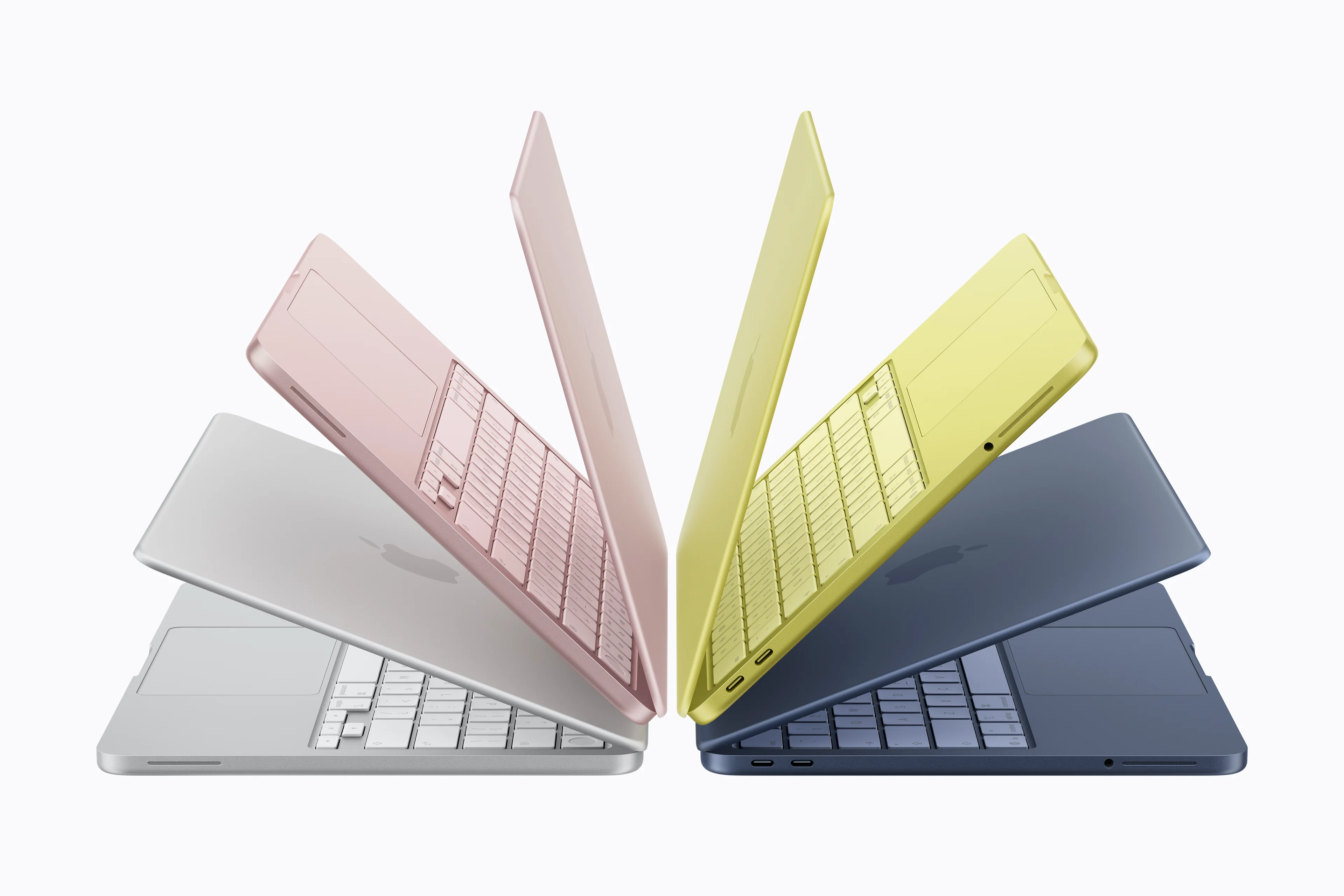
At the day of the special event, the flavour bomb has been exposed: MacBook Neo. To those who are tech-savvy, those specs are not compelling: an A18 Pro chip (which runs last year’s iPhone Pro), only 8GB of memory, and 256GB of starting storage. You can only upgrade the storage just like an iPad. But for the consumers, Apple hit a jackpot; the MacBook Neo starts at $599. $499 for college or high school students. The unthinkable has happened: Apple is selling value proposition products.
Just like the iPad, there are colorful choices to be made: Silver, Blush, Citrus, and Indigo. For a $599 laptop, the build quality is second to none: the laptop is built on the same aluminium chassis just like their MacBook Air and MacBook Pro betheren. No other laptop at this price level has this kind of build quality. The keys are tinted ever so slightly to match the chassis’s colors. This is the attention to detail that Apple brings to the table.
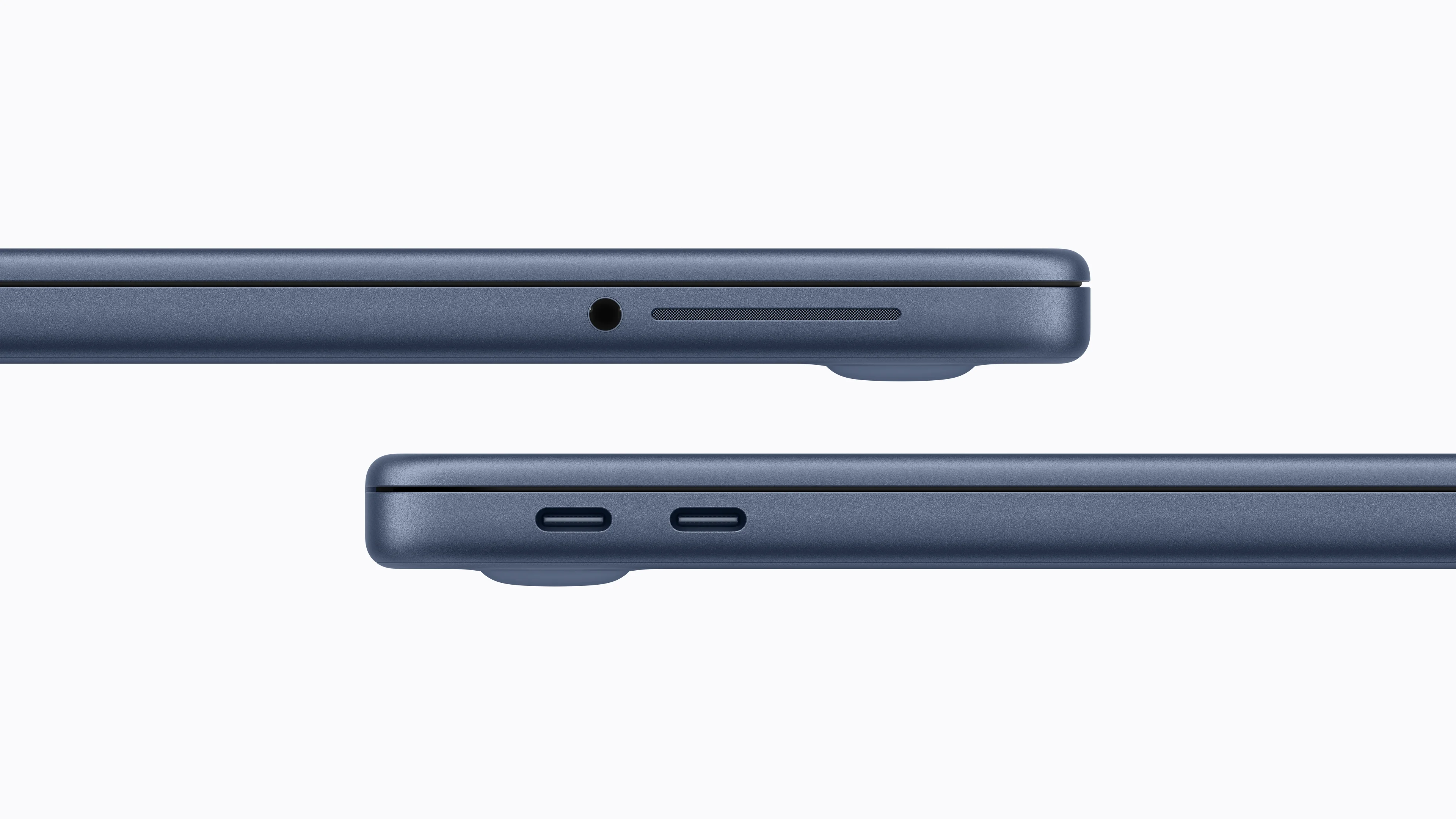
Of course, making a $599 laptop, there will be compromises. The keyboard does not have a backlight, which will be a problem if you are working in a low-light environment. Memory is limited to 8GB only, no choice of upgrades. There’s 2 USB-C ports, but only one of them is the high-speed USB-3, while the other is the slower USB-2. This is the limitation of the A18 Pro chip. It features slightly inferior speakers and a microphone compared to the MacBook Air. The Wi-Fi is also slightly slower. The headphone jack can’t support high impedance headphones, unlike the MacBook Air or MacBook Pro. Those seem to be a lot of compromise to pay for, but to the target market: students, school district, content comsumption, playing Roblox: those compromises doesn’t matter at all.
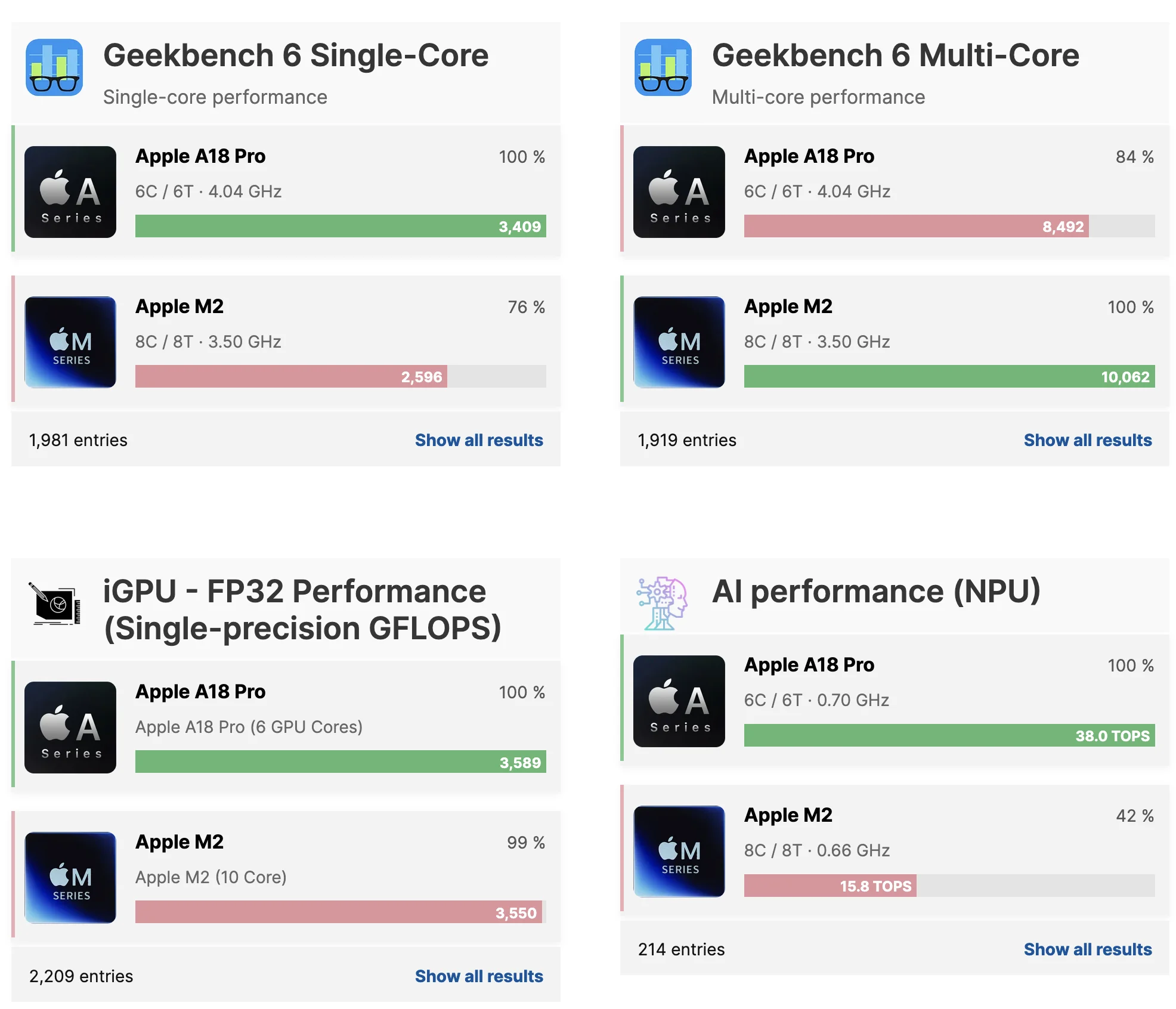
The MacBook Neo is a game-changer because it changes Apple’s reputation from being a premium seller to a value seller. Furthermore, Apple now has devices that covers at every level of budget from shoestring to large enterprise. They also have a solution at every level, from casual content consumption to running AI models with trillions of parameters or building the next space station.
Another big deal about the MacBook Neo is that it lowers the barrier to enter the Apple ecosystem. They create customers who have been using Macs since middle school. Those customers will continue to use Apple products through college, working, and possibly retirement.
Conclusion
With this Spring Update, Apple’s Mac lineup has never been stronger than ever. Apple Mac offerings now cover the absolute casual user to the most serious professional. What is most crazy is that despite the PC component prices being getting more and more expensive due to shortages caused by the AI building frenzy, Apple managed to sneak in a $599 computer for the masses. This will certainly give PC makers like Lenovo, Dell, et all a run for their money. Apple posed to dominate the future of computing because they just released the perfect gateway drug.